While in Krakow with my girlfriend visiting her father, we went to the main building of the National Museum in Krakow, which is a huge monolithic art gallery that houses art from across the ages, mainly from famous Polish artists, but also the art of artists from across the globe. Walking up to this huge building I was feeling a mix of excitement and awe because I could tell that there was going to be an expansive collection of art inside, and I was right. The gallery, alike many others offers some free exhibitions for people who want to enjoy art on a budget, as well as some special paid exhibitions that are often there for a limited time only. To achieve the full gallery experience we elected to pay for all of the exhibitions that were available to view, my girlfriends’ father, who is also an artist, was more than happy to do this. He neglected to take a tour guide however, instead he became our guide as he merrily walked through the gallery, telling us the history of the building and also of the artists that were featured there, unfortunately much of what he said got lost in translation.
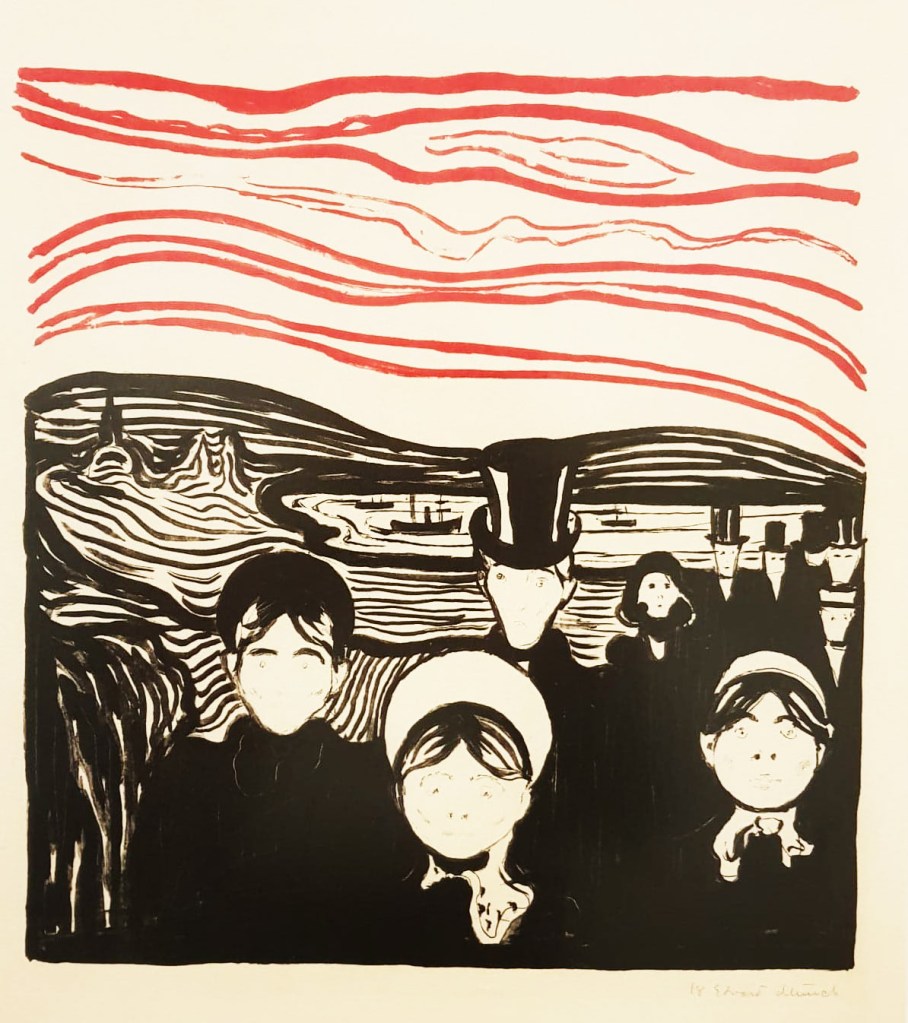
As we walked around inside I couldn’t help feeling slightly disappointed as much of the building was closed for renovation and/or refurbishment, something which was not apparent from the outside, nevertheless, the building was massive and there was still plenty of things to see, some of which I loved, and other bits that I failed to have much interest in, as is usually the case with art galleries, it’s all subjective. The museum had an array of collections, from old furniture, pottery and sculptures to things like colossal stained glass windows, 19th century paintings and prints from some of my favourite artists and print makers such as Hokusai and Edvard Munch, I melted a bit inside when I saw Munch’s prints because he has influenced me so much in my own work and they were pieces that I hadn’t seen before, it was so inspiring. The print that got my attention the most was a lithography print of his painting ‘Anxiety’ which despite lacking much of the original detail, still captured the gripping tension and fear that the painting did, if not more so because the figures looked far more ghostly and unsettling, perhaps proving that less is sometimes more. I was so intrigued to see how Munch’s paintings translated into prints and I think it has given me some ideas of how my own prints could look, I often struggle with knowing how much detail I need to use to convey a feeling and Munch’s prints have eased that struggle.
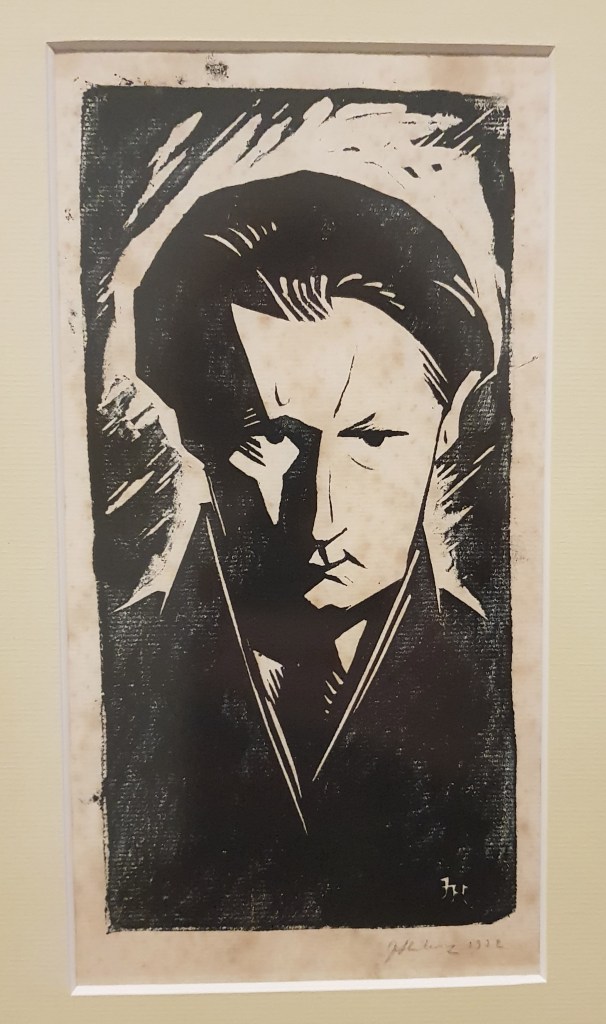
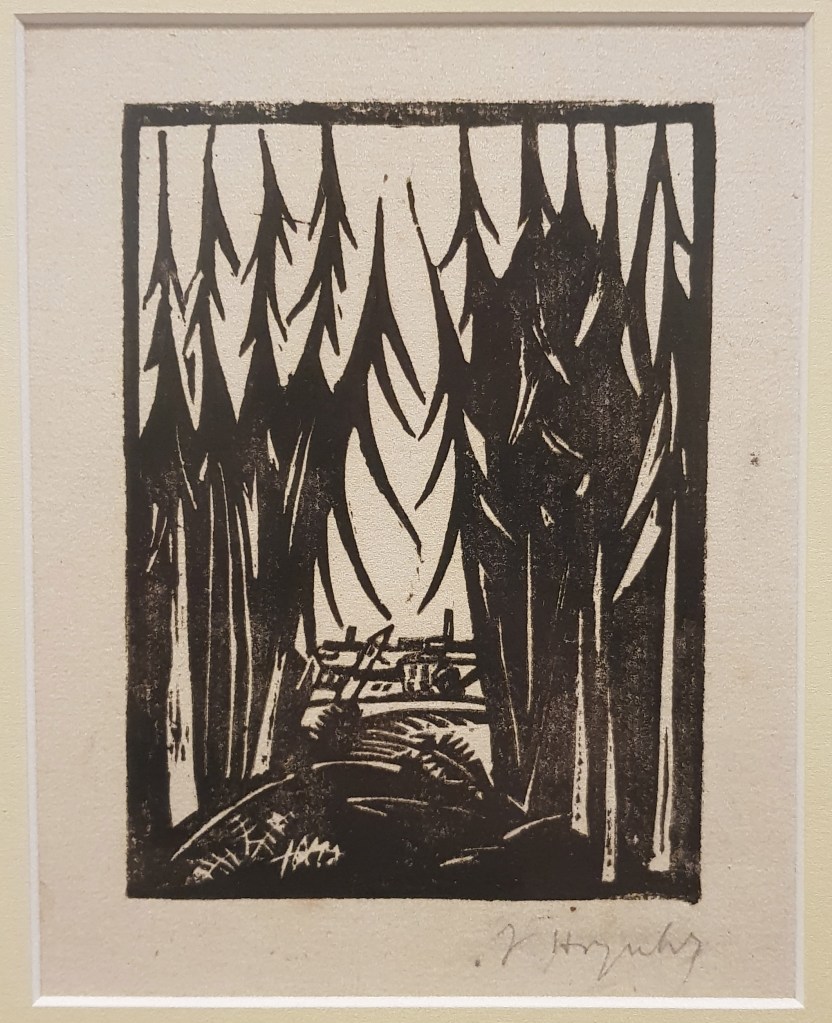
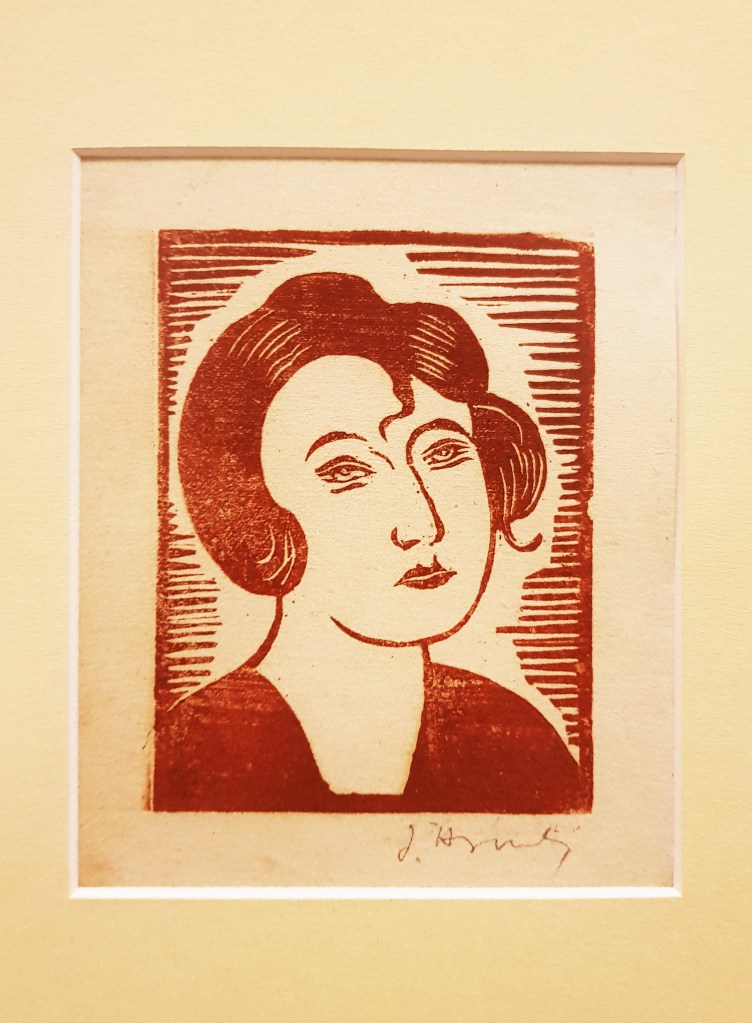
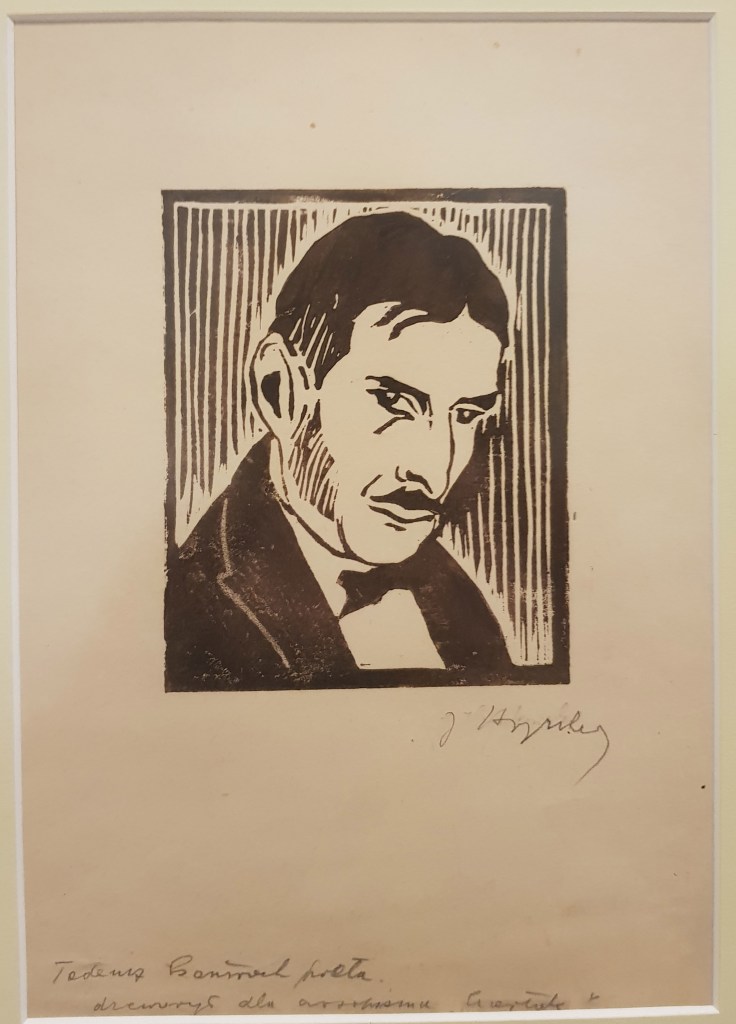
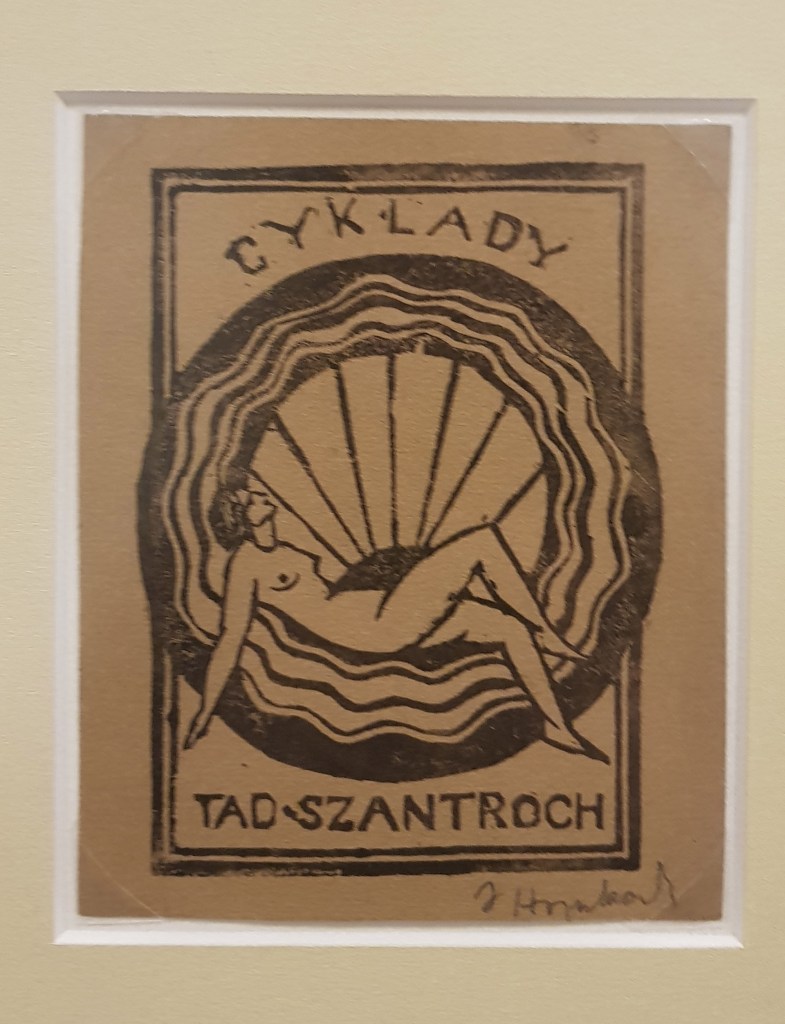
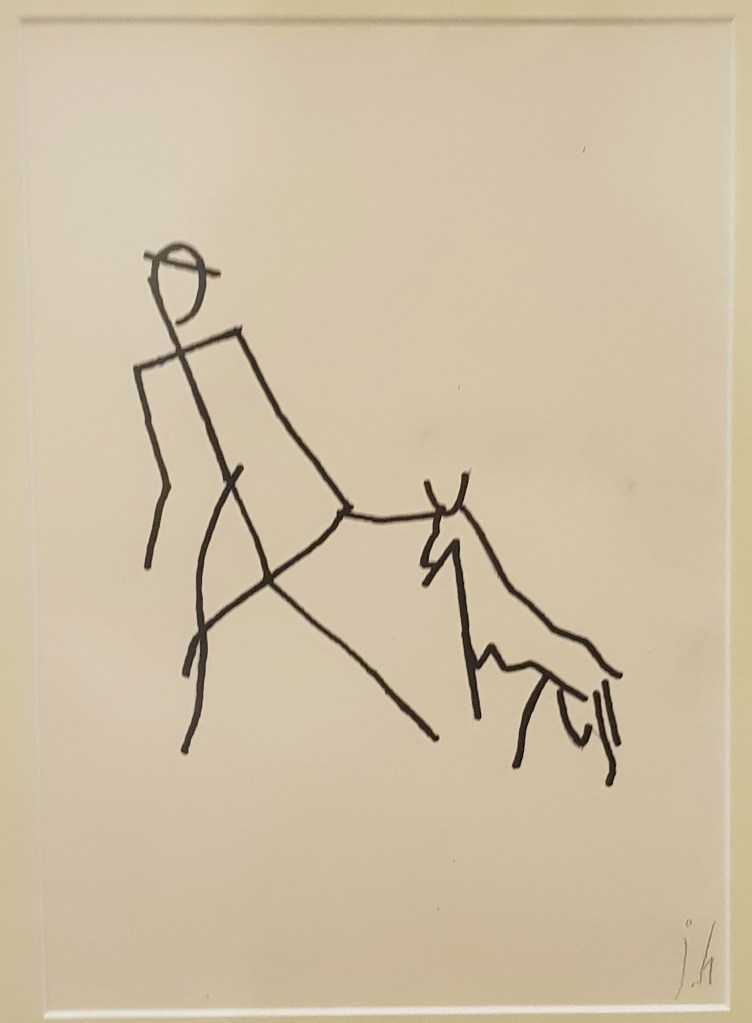
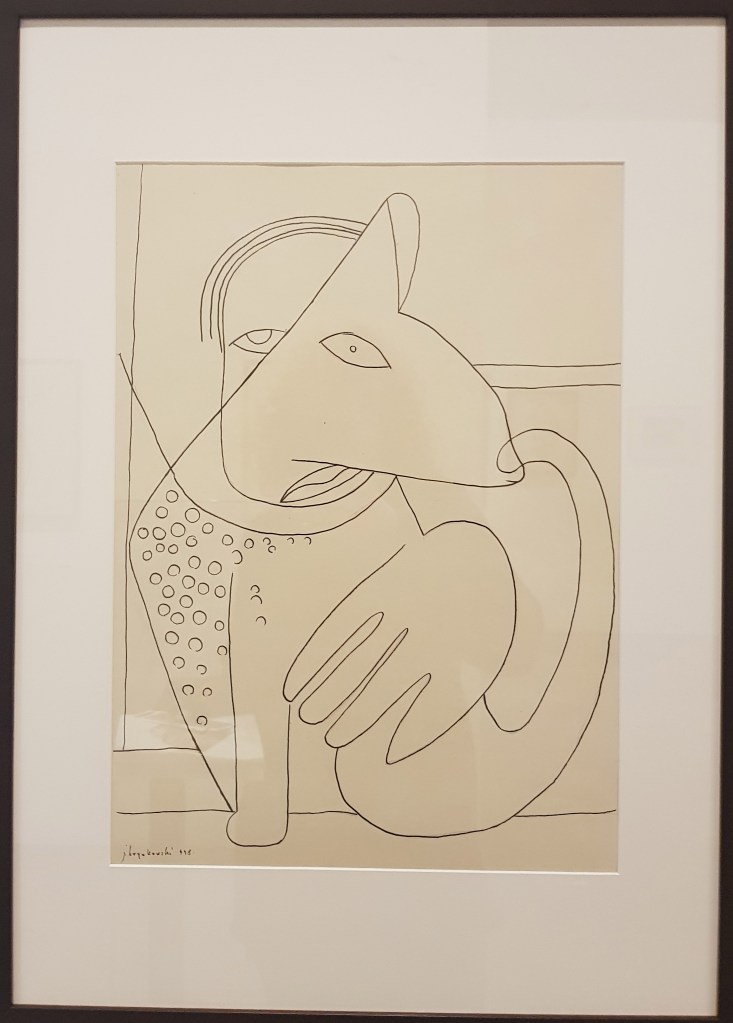
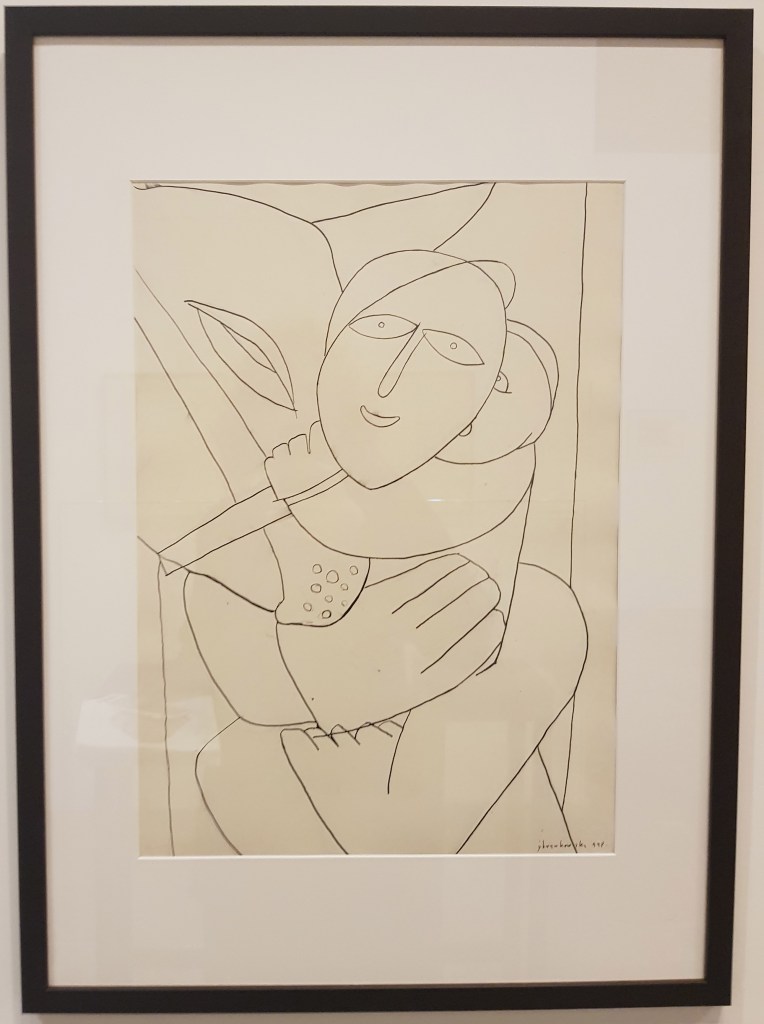
The main artist that was featured in the National gallery was one that I was unfamiliar with called Jan Hrynkowski who was a Polish graphic artist, painter, theatre designer and he was also the co-creator of the Avant Gard movement in Poland in the 20th century. The exhibition showcased work from all throughout his life and showed just how much an artist can evolve and change styles throughout their career. There were periods of his life where Hyrnkowski honed and perfected realism which was a commonplace and widely accepted art form at the time, this all changed with the arrival of WWI when he moved into expressionism and indeed took part in the first Polish Expressionist exhibition in 1917, he was clearly affected by the events of the war and ended up becoming one of the most important figures in Polish art circles. While I may not have liked all of Hyrnowski’s work, I was interested to see the progression of his art and how events in his life and in history pushed him into a different genre of art entirely. I too am feeling a shift in my art style which is being pushed by current world events such as climate change, and more recently, the Australian bushfire crisis, these events have made me reconsider how I do my art because I want to raise awareness to them and try to do something to help, which means my art has to be more accessible to a wider audience, whereas before my art style was primarily niche, bordering gothic, sci-fi and the outright macabre. I don’t want to stop drawing in these styles, but I realise that in order to make my work more accessible, I need to adapt and develop a new style of working when it comes to raising awareness for problems going on in the world.
 Castle Chickenstein