If there is one thing that the editorial illustration project taught me, it is that I could see myself going down that route as a career path, at least to help me fund my own personal projects. There has been a growing demand for illustration for publications over the recent years and it’s easy to see why, in an age where anyone can create content from the comfort of their homes, it has become increasingly difficult for publications to stand out from the crowd, which is why some publications, such as Little White Lies, New Scientist and Weapons of Reason and newspapers such as the Guardian are hiring independent illustrators to create stunning visuals that remove them from the sea of overused press shots, oversimplified vectors and overtly technical fodder.
I have done some further research into this area ahead of my final project as I see my future progression in the field. Art directors rely on illustrators to create beautiful and eye-catching illustrations that help to express complex ideas, articles and theories in a more accessible and understandable way for us normal folk to digest. Working together with illustrators, art directors try to create the best possible way to visually tell a particular story or illuminate an idea. As well as making complex ideas more accessible, editorial illustrations also bring stories to life and engage readers in a way that text alone can’t achieve. Illustrations help to break up a block of text and capture the essence of what is being said in an article.
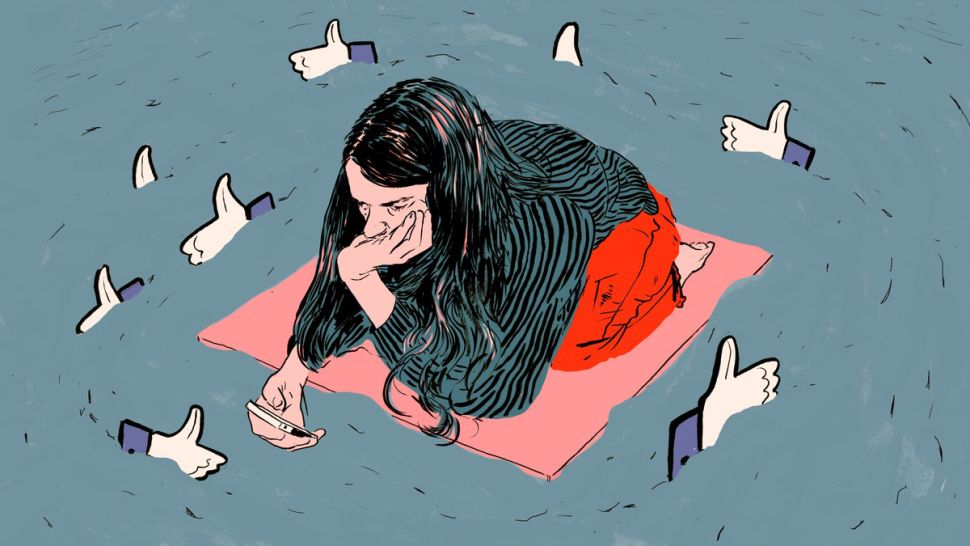
There are many different magazines and newspapers out there, almost all of which require a different illustrative style so there is a place for just about every style within the industry and publications are often playing with different aesthetics to keep their publication fresh. I find this reassuring because I haven’t yet figured out a specific style for myself, I can work in quite a few so it’s nice to know that I’ll be able to find some editorial work regardless of whether I have a ‘house style’ or not. Some complex stories will require a more expressive illustration, such as an illustration created by Calum Heath for Vice that depicts an isolated girl surrounded by Likes which encircle her like sharks which was shown alongside an article about cyber-bullying. This illustration perfectly captures the dangers of social media, especially to someone who is alone and vulnerable, there are a lot of horrible people online that say awful things to people while hidden behind a screen. There’s also the constant need to get likes online which can have a negative impact on one’s mental health.
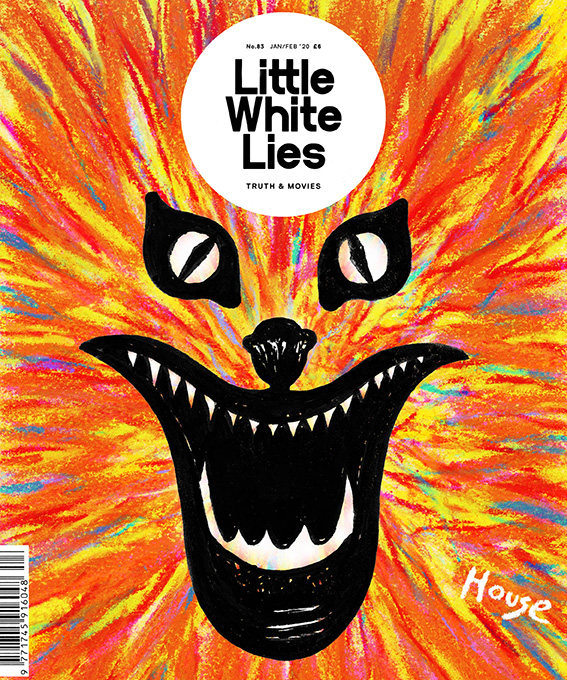
Cyber-bullying is just one of the many complex issues we are facing in 2020, things such as politics, the environment and climate change, women’s and LGBTQ issues and immigration are all problems we’re facing today. There is a huge need for illustrators to come up with engaging ideas on how to express these concepts in such a way that really gets to the heart of the problem and urges the viewer to be a part of the solution. This is part of why I think that editorial illustration would be a good path for me to go down because I do often tackle such issues in my art, and had hopes of creating a graphic novel that tackled climate change but it would be exceptionally hard to get funding for such a thing. The graphic novel idea is perhaps more personal than commercial. Going into editorial illustration would allow me to tackle the issues that I am passionate about, try and make the world a better place and also make a living in a more commercially viable area of illustration, there is a huge need for editorial illustrators right now and I could use the money I make to fund my own personal projects in the future. I have already proven that I have potential with editorial illustration based on my previous project where I created a front cover design for Little White Lies based on the 1977 movie house, the design recently got liked on Instagram by LWL themselves and they commented that they love it. This really made me happy and gave me hope. I am going to research into how to become an editorial illustrator and also research further into publications and companies that work in the field to continue the research for my final project.
References-
Ewens, H., 2017. The Brand New Face Of Cyberbullying. [online] Vice. Available at: <https://www.vice.com/en_uk/article/gyy8kq/the-harsh-new-world-of-teen-cyberbullying>
Carson, N., 2018. 8 Inspiring Uses Of Editorial Illustration. [online] Creative Bloq. Available at: <https://www.creativebloq.com/inspiration/8-inspiring-uses-of-editorial-illustration>
Wang, G., 2018. 12 Independent Magazines With Clever, Imaginative Illustration – STACK Magazines. [online] STACK magazines. Available at: <https://www.stackmagazines.com/illustration/12-independent-magazines-with-clever-imaginative-illustration/>
Carless, J., 2020. What Art Directors Want: Tips For Editorial Illustrators | Create. [online] Create.adobe.com. Available at: <https://create.adobe.com/2016/4/20/what_art_directors_want_a_guide_for_editorial_illustrators.html> [Accessed 22 March 2020].
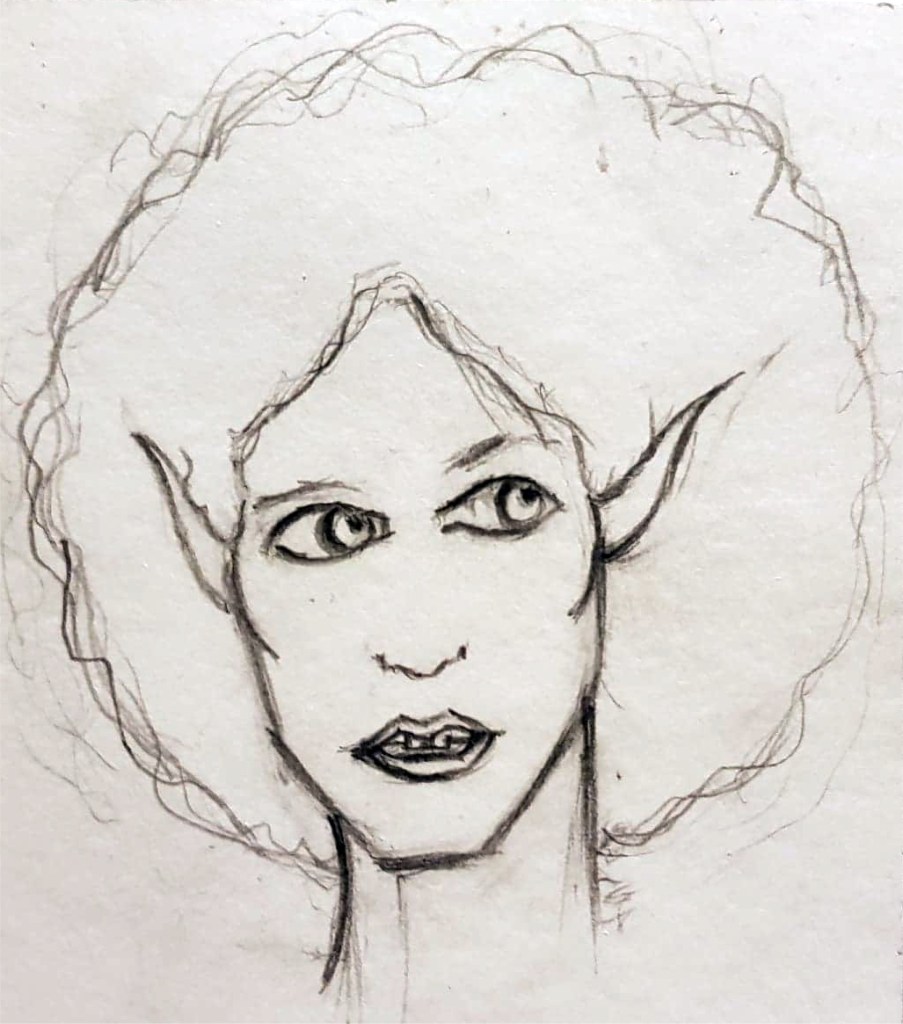
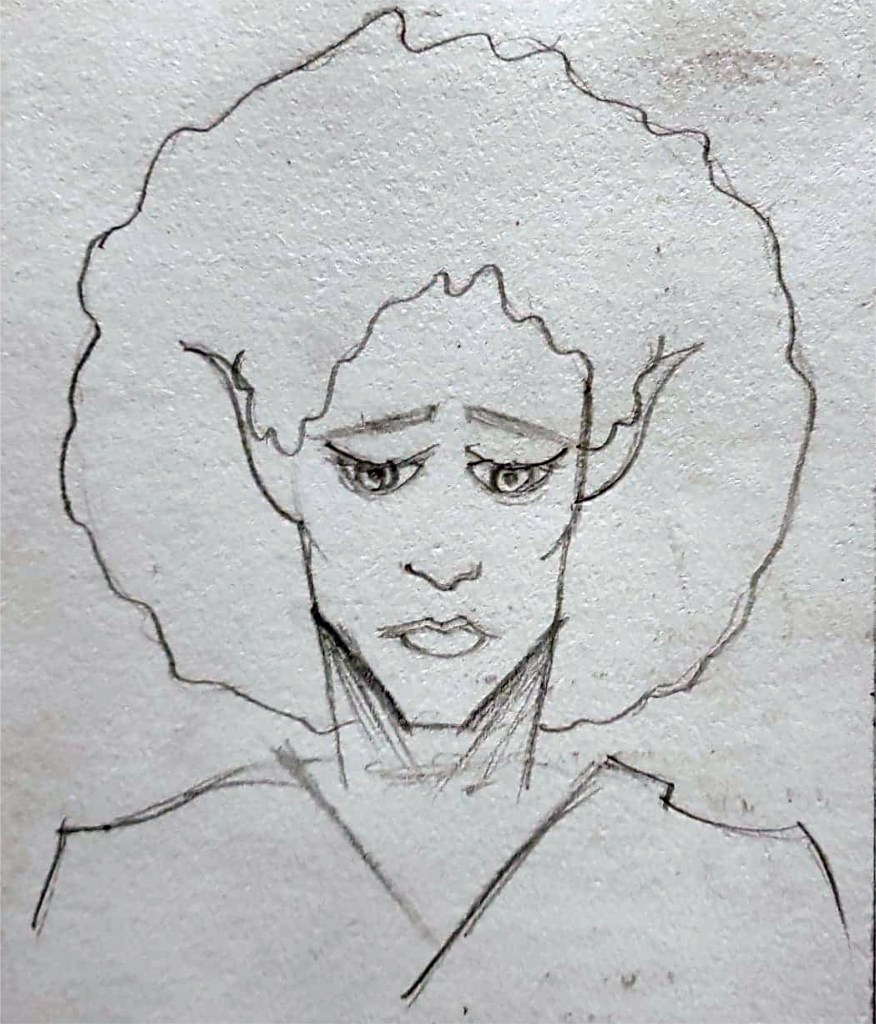
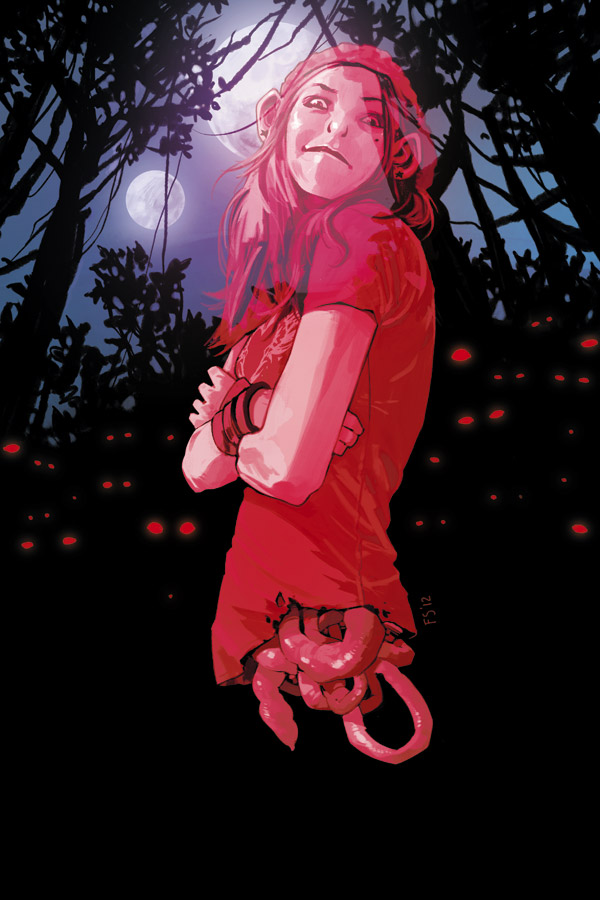
 Castle Chickenstein