Illustration Changes alot, What is Trending Now?

Flat colour, clean vectors and a limited colour palette have been dominating the illustration scene throughout the 2010s, largely because of the rise in digital painting programs such as Photoshop. These designs take a ‘less is more’ approach that can add an air of sophistication to an illustration.  A reduced colour palette also makes the illustrator think about the colours they are using.
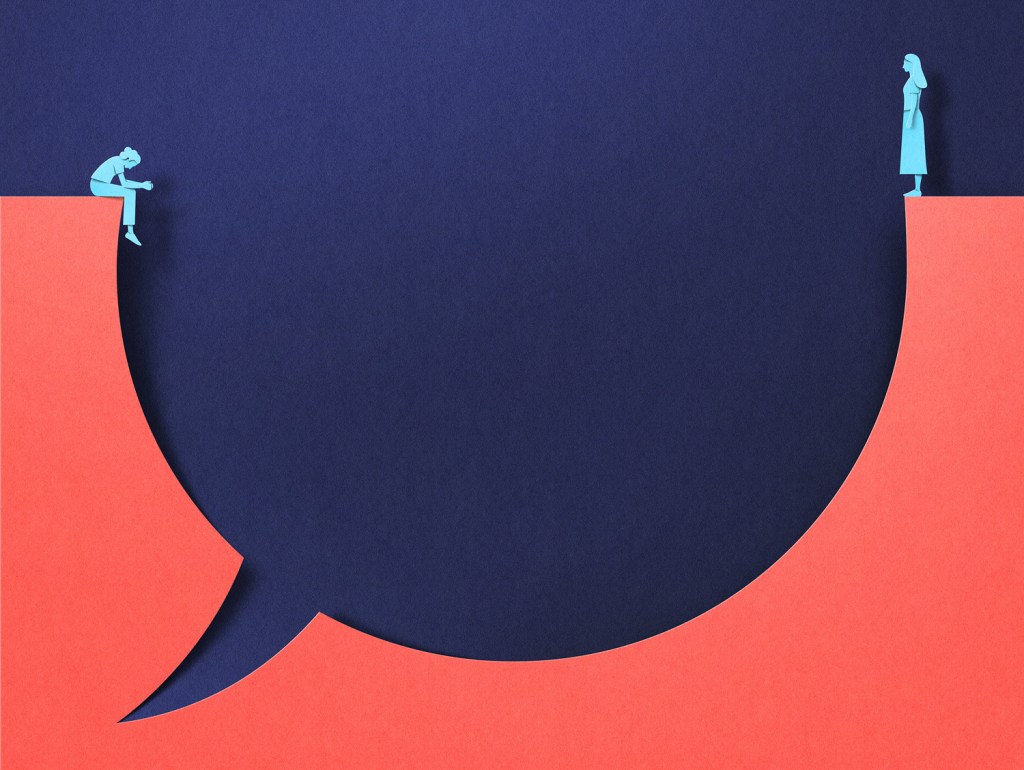
A counter trend to the simplistic and colourful flat vector art is the resurgence of printmaking and traditional looking illustrations that has been occurring lately, much to my joy. Traditional looking illustrations add a uniqueness that seems to be missing from the flat, simplistic digital illustrations that dominated in the 2010s, many companies are turning to a more traditional looking approach that adds a certain warmth to the illustration and helps them to stand out from the crowd.
Another thing that has seen a rise in popularity recently is pieces that blur the lines between illustration and animation. As our attention spans get shorter and shorter, illustrators are having to find new ways to keep audiences engaged with their work. Things such as gifs, images that move are making the lines between animation and illustration even greyer.

Illustrated letters and typography are a trend that has been around for a while and is here to stay. While typefaces still have their uses, they just can’t blend an illustrative style into an image the same way that typography can. Illustrated letters make a blog of text stand out and add character to a page, illuminating the worlds that follow them.
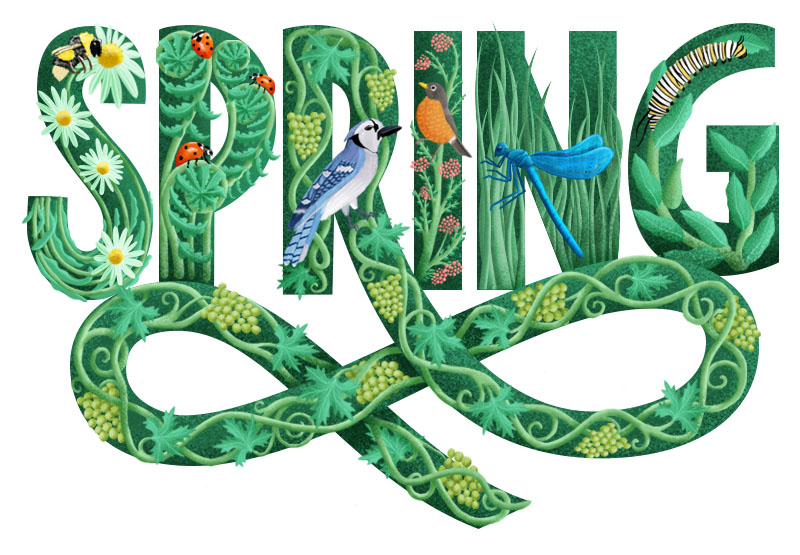
(Maywst, 2016)

While political statements might not be a trend for everyone, they still do play a huge part in illustration today. With all of the crazy things going on in the world right now, from Brexit to the re-elections in the US and everything else, many people are turning to illustration to express their views and deal with the current world crisis in their own way, be it through satirical art or otherwise, I expect that this trend is just going to grow even more throughout the course of 2020.
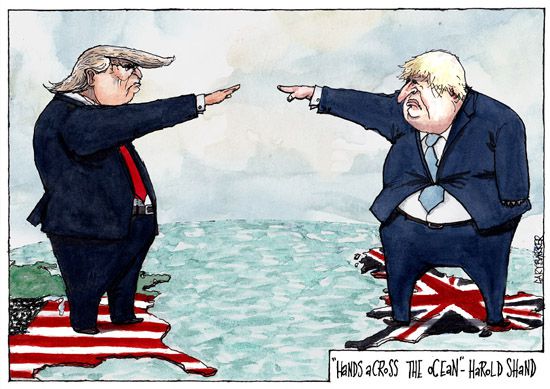
(Barker, n.d.)

In the 2010s we finally started moving away from deplorable ‘body shaming’ and instead headed towards celebrating our personal and physical appearance. Many illustrators have been captured all of the different ways our bodies are perceived in imperfect and wacky ways. They have done this through wobbly lines, uneven brush strokes and odd proportions. An add on to this is the surge in inclusive art that has been becoming more prominent in the past year, people from all ages, backgrounds and lifestyles are coming forward in a multitude of visual styles. Illustration itself is becoming as in demand, if not more as photography within editorial illustration, so the demand for inclusive illustration is just going to get larger and hopefully it will be a trend that is here to stay.
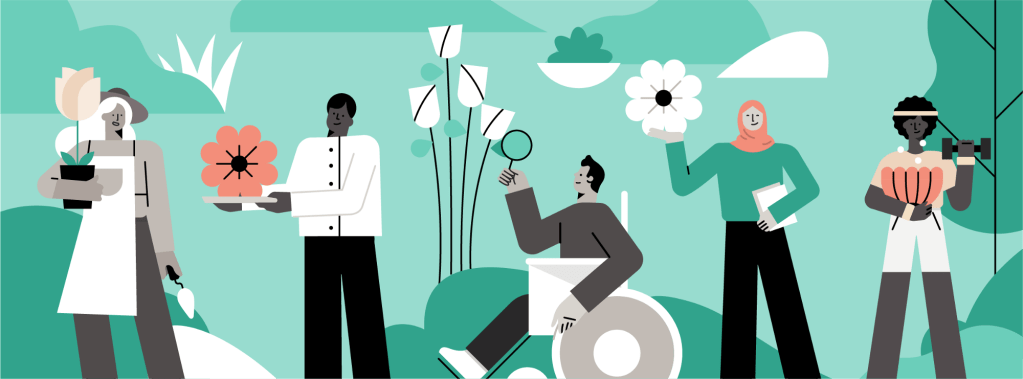
(Byrd, 2019)

With the rise of figures such as Greta Thunberg and David Attenborough who are fighting for our planet and making it mainstream, and also the increasing availability of eco-friendly products and meat alternatives, sustainable living is itself becoming a huge trend. This is translating into the illustration world too; more and more illustrators are tackling issues such as climate change and over consumption and urging us to live a more sustainable life and to do our part to save our home and the animals that live on it. This is a trend that I hope never goes away, and one that I too am a part of.
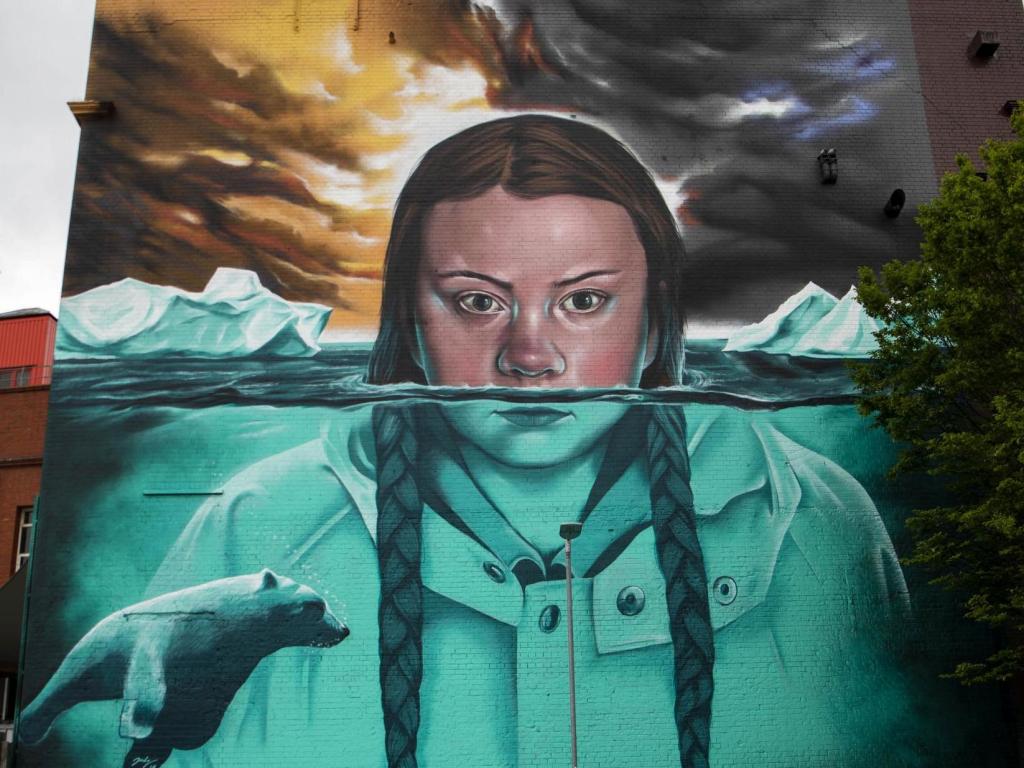
(Thomas, 2019)

Maywst, R., 2016. Illustrative Lettering Process — Ray Mawst Lettering & Design. [online] Ray Mawst Lettering & Design. Available at: <http://www.raymawst.com/blog/2016/3/11/fosz1e117f33nrg3fvuqldwzzk1jmt&gt; [Accessed 28 March 2020].
Barker, G., n.d. Trump Cartoon Boris. [online] UK Political Cartoonist Cartoons. Available at: <https://www.garybarker.co.uk/donald-trump-boris-cartoon.html&gt; [Accessed 27 March 2020].

Byrd, T., 2019. Illustrating A More Inclusive Brand. [online] Medium. Available at: <https://medium.com/facebook-design-business-tools/illustrating-a-more-inclusive-brand-bbb4fa6c4bb3&gt; [Accessed 28 March 2020].
Moran, L., 2019. Huffpost Is Now A Part Of Verizon Media. [online] Huffingtonpost.co.uk. Available at: <https://www.huffingtonpost.co.uk/entry/greta-thunberg-street-art-jody-thomas-bristol-upfest_n_5cdeb690e4b00735a915598e?ri18n=true&gt; [Accessed 28 March 2020].
May, T., 2019. 10 Top Illustration Trends For 2020. [online] Creative Bloq. Available at: <https://www.creativebloq.com/features/illustration-trends-2020&gt; [Accessed 28 March 2020].
Lee, E., 2018. Trends From The London Illustration Fair 2019 | Printed.Com Blog. [online] Printed.com Blog. Available at: <https://www.printed.com/blog/trends-london-illustration-fair-2019/&gt; [Accessed 28 March 2020].
Digital Arts. 2020. 2020’S Best Up-And-Coming Illustrators. [online] Available at: <https://www.digitalartsonline.co.uk/features/illustration/illustrators-wholl-kick-off-2020s-in-style/&gt; [Accessed 28 March 2020].
What is New Scientist Magazine and Why Should You Read It?

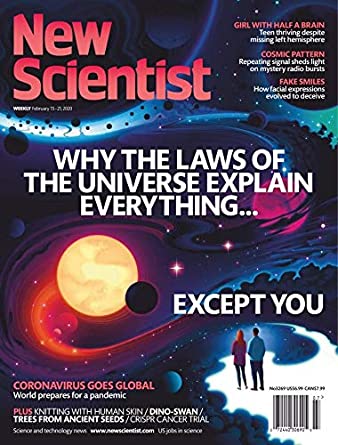
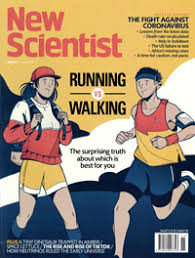
New Scientist magazine is one of the world’s most popular weekly science and technology magazines. Their magazine is featured online, through print and also on app editions which means that the illustrations and layout present in the mag need to be formattable across these areas. The magazine covers stories about science and technology that intrigue, inform and entertain the widest possible audience, which consists of people from a wide variety of lifestyle, from physicists, biologists to people that have no background in science at all. They have an unrivalled global reach largely in part to the fact they have been around since 1956 and have offices working for them around the world.

New Scientist does it’s best to stand out from the crowd, from writing exclusive scientific stories from an angle that can’t be found anywhere else, to hiring independent illustrators to design their covers and colourful illustrations that are carefully placed throughout each issue of the magazine. New Scientist really is one of a kind. They do something that a lot of science magazines don’t, they explore the social and cultural impacts of both scientific and technological discovery, as well as any consequences they could pose on society, rather than just documenting them. As well as exploring the social and cultural impacts of discoveries, they also write regular features and commentary on environmental issues, something that I am highly passionate about. This is one of the main reasons that I would like to create illustrations for New Scientist one day, they have ethics and aren’t afraid to show it, which is something that I really admire them for.

New Scientist uses often colourful and vibrant illustrations to help explain complex scientific theories and ideas in a more understandable and sometimes conceptual way. This is really important because a lot of their audience don’t have a huge scientific knowledge, but still want to keep up to date with the latest scientific and technological progress, the illustrations within the mag help non-scientists engage with the articles and keeps them coming back for more. They also need to be accurate enough to engage with the audience that are scientists, this must be a difficult line to walk but New Scientist manages to do it regardless. The art editor at New Scientist is Craig Mackie and he says that of 36 illustrated covers that he commissioned in 2015, 17 of them were done by new illustrators. He likes to keep the magazine fresh with new talent and while he does have a list of go to illustrators that he knows he can rely on; he likes bringing in new people that are going to bring something different to the magazine. Working like this is beneficial for both Mackie and the illustrators that he brings on, they get more exposure and the magazine gets to keep being ahead of the curve and stand out from the crowd.New Scientist. 2020.

About New Scientist Magazine | New Scientist. [online] Available at: <https://www.newscientist.com/about/&gt; [Accessed 26 March 2020].

Carless, J., 2020. What Art Directors Want: Tips For Editorial Illustrators | Create. [online] Create.adobe.com. Available at: <https://create.adobe.com/2016/4/20/what_art_directors_want_a_guide_for_editorial_illustrators.html&gt; [Accessed 26 March 2020].

New Scientist. 2020. Guide For Freelancers | New Scientist. [online] Available at: <https://www.newscientist.com/in209-guide-for-freelancers/&gt; [Accessed 29 March 2020].

https://www.newscientist.com/in16-about-new-scientist-magazine/

Newscientist.com. 2020. Magazine Archive 2020 | New Scientist. [online] Available at: <https://www.newscientist.com/issues/&gt; [Accessed 29 March 2020].

Editorial Illustration Research

If there is one thing that the editorial illustration project taught me, it is that I could see myself going down that route as a career path, at least to help me fund my own personal projects. There has been a growing demand for illustration for publications over the recent years and it’s easy to see why, in an age where anyone can create content from the comfort of their homes, it has become increasingly difficult for publications to stand out from the crowd, which is why some publications, such as Little White Lies, New Scientist and Weapons of Reason and newspapers such as the Guardian are hiring independent illustrators to create stunning visuals that remove them from the sea of overused press shots, oversimplified vectors and overtly technical fodder.

I have done some further research into this area ahead of my final project as I see my future progression in the field. Art directors rely on illustrators to create beautiful and eye-catching illustrations that help to express complex ideas, articles and theories in a more accessible and understandable way for us normal folk to digest. Working together with illustrators, art directors try to create the best possible way to visually tell a particular story or illuminate an idea. As well as making complex ideas more accessible, editorial illustrations also bring stories to life and engage readers in a way that text alone can’t achieve. Illustrations help to break up a block of text and capture the essence of what is being said in an article.

(Heath, 2017)

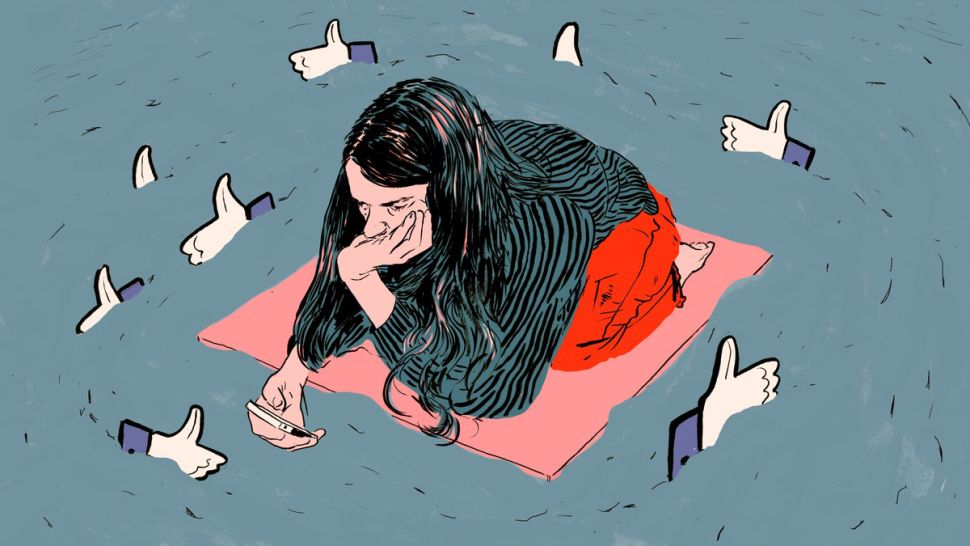
There are many different magazines and newspapers out there, almost all of which require a different illustrative style so there is a place for just about every style within the industry and publications are often playing with different aesthetics to keep their publication fresh. I find this reassuring because I haven’t yet figured out a specific style for myself, I can work in quite a few so it’s nice to know that I’ll be able to find some editorial work regardless of whether I have a ‘house style’ or not. Some complex stories will require a more expressive illustration, such as an illustration created by Calum Heath for Vice that depicts an isolated girl surrounded by Likes which encircle her like sharks which was shown alongside an article about cyber-bullying. This illustration perfectly captures the dangers of social media, especially to someone who is alone and vulnerable, there are a lot of horrible people online that say awful things to people while hidden behind a screen. There’s also the constant need to get likes online which can have a negative impact on one’s mental health.

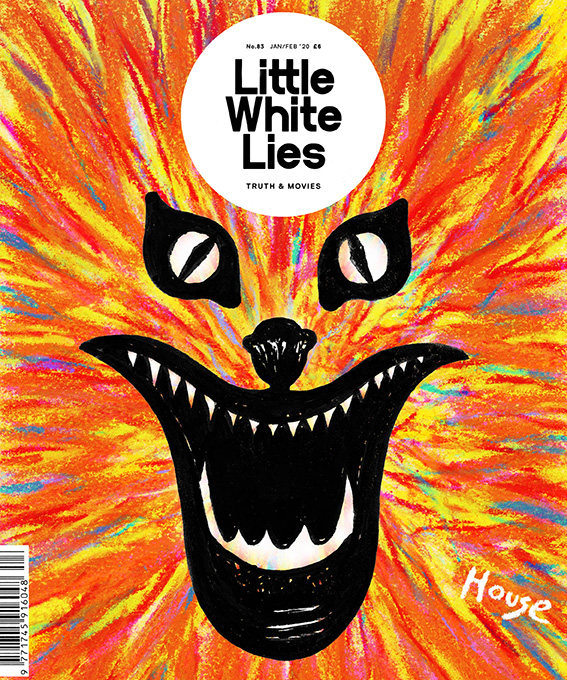
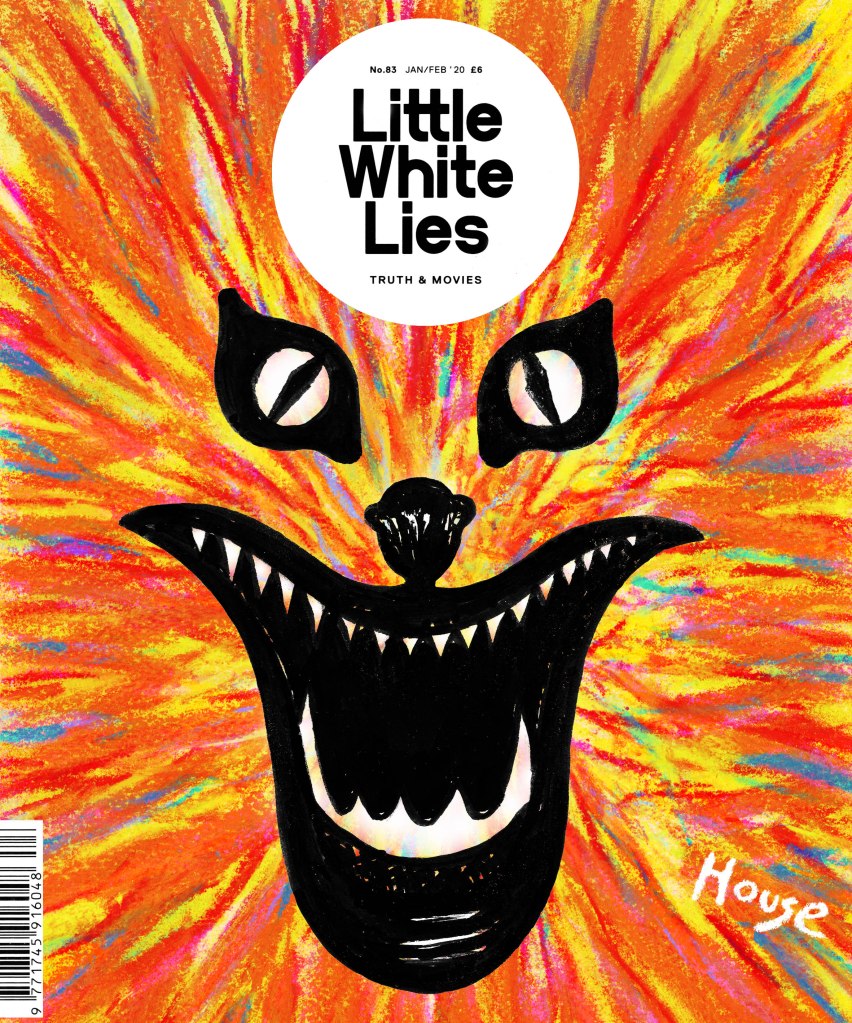
Cyber-bullying is just one of the many complex issues we are facing in 2020, things such as politics, the environment and climate change, women’s and LGBTQ issues and immigration are all problems we’re facing today. There is a huge need for illustrators to come up with engaging ideas on how to express these concepts in such a way that really gets to the heart of the problem and urges the viewer to be a part of the solution. This is part of why I think that editorial illustration would be a good path for me to go down because I do often tackle such issues in my art, and had hopes of creating a graphic novel that tackled climate change but it would be exceptionally hard to get funding for such a thing. The graphic novel idea is perhaps more personal than commercial. Going into editorial illustration would allow me to tackle the issues that I am passionate about, try and make the world a better place and also make a living in a more commercially viable area of illustration, there is a huge need for editorial illustrators right now and I could use the money I make to fund my own personal projects in the future. I have already proven that I have potential with editorial illustration based on my previous project where I created a front cover design for Little White Lies based on the 1977 movie house, the design recently got liked on Instagram by LWL themselves and they commented that they love it. This really made me happy and gave me hope. I am going to research into how to become an editorial illustrator and also research further into publications and companies that work in the field to continue the research for my final project.

Little White Lies House Design

References-

Ewens, H., 2017. The Brand New Face Of Cyberbullying. [online] Vice. Available at: <https://www.vice.com/en_uk/article/gyy8kq/the-harsh-new-world-of-teen-cyberbullying&gt;

Carson, N., 2018. 8 Inspiring Uses Of Editorial Illustration. [online] Creative Bloq. Available at: <https://www.creativebloq.com/inspiration/8-inspiring-uses-of-editorial-illustration&gt;

Wang, G., 2018. 12 Independent Magazines With Clever, Imaginative Illustration – STACK Magazines. [online] STACK magazines. Available at: <https://www.stackmagazines.com/illustration/12-independent-magazines-with-clever-imaginative-illustration/&gt;

Carless, J., 2020. What Art Directors Want: Tips For Editorial Illustrators | Create. [online] Create.adobe.com. Available at: <https://create.adobe.com/2016/4/20/what_art_directors_want_a_guide_for_editorial_illustrators.html&gt; [Accessed 22 March 2020].

Hi Fructose Volume 54 Review

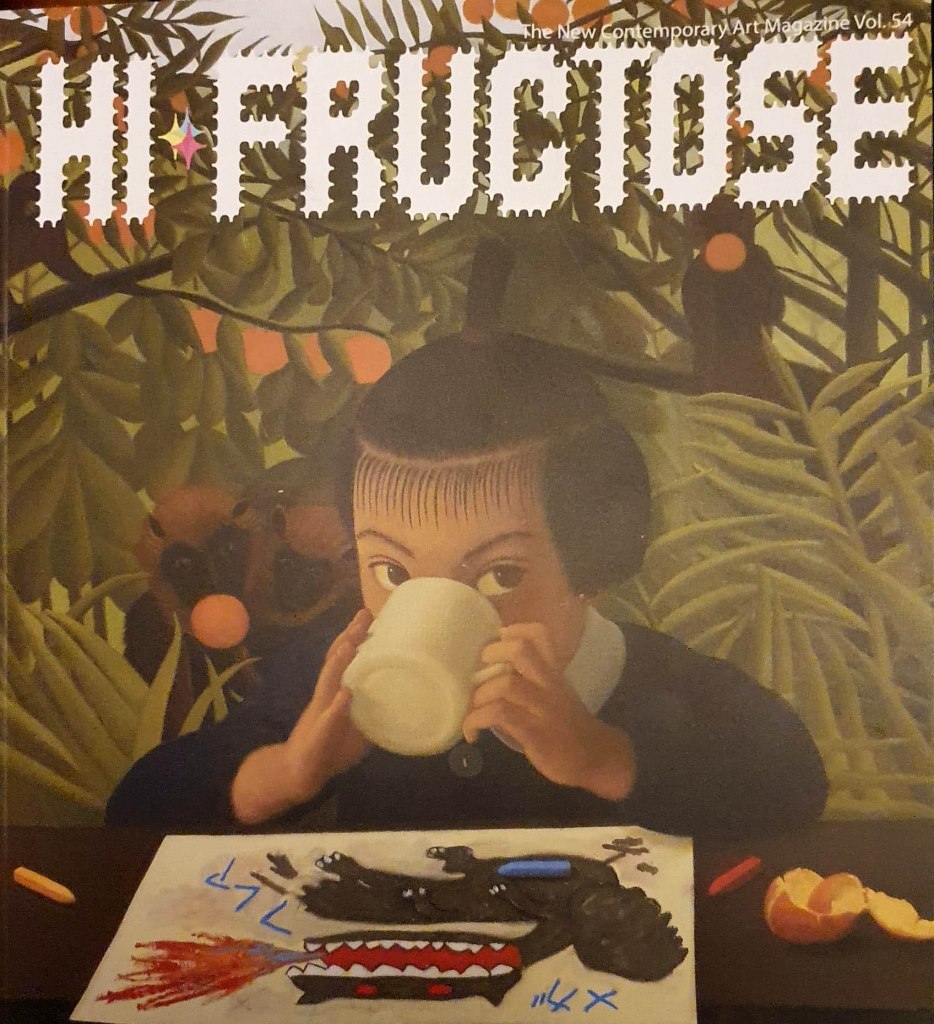
Hi-Fructose Volume 54 Cover- Image taken by Rohan Hall

In this post I will be reviewing Volume 54 of Hi-Fructose Magazine. Now this is the first time I have ever owned Hi-Fructose so I wasn’t too sure what to expect, but I liked the look of their website which is what lead me to purchasing it. The front cover also drew me to this particular issue a bit when I was browsing around in WH-Smith, it seemed to be rather nature focused, with an image of a young girl having a relaxing cup of tea in the middle of a forest/jungle. Gibbons surround the girl in the trees while they tuck into some oranges and stare curiously at the girl who appears to be drawing a picture of a dragon. There is just so much going on in this front cover, the more I stare at it, the more of a story I see and the more questions I have about what is going on. I was definitely drawn to the nature aspect of the cover, it seemed really interesting and I hoped that the nature theme would continue throughout the magazine, and I some ways it did.

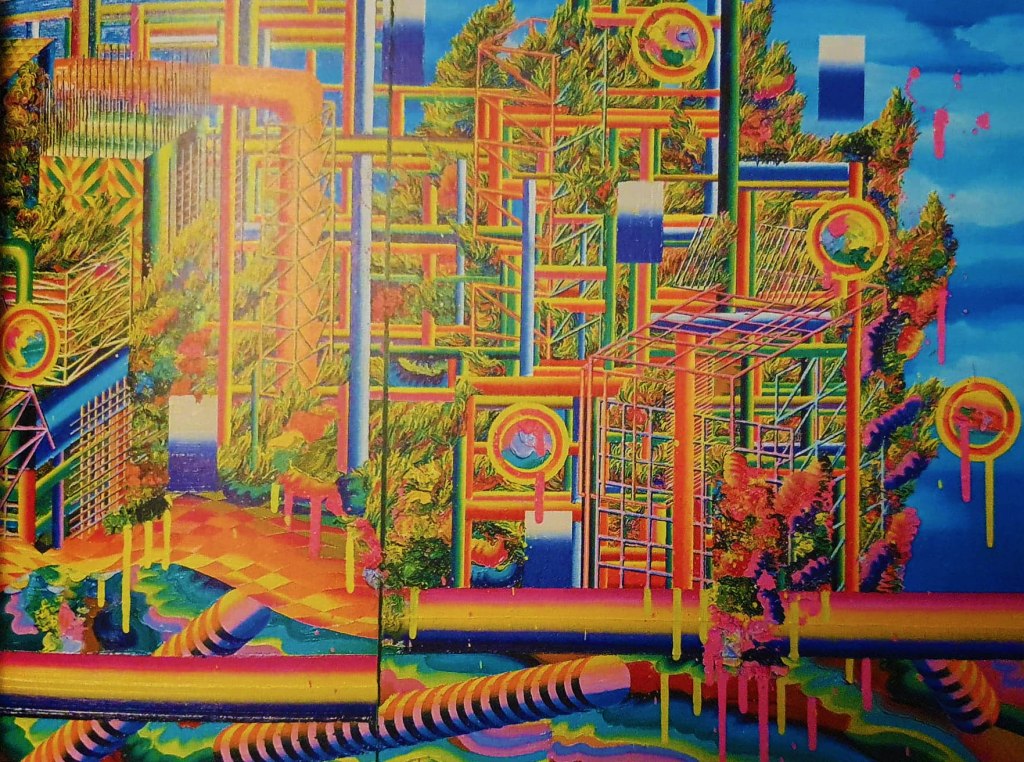
Now I cannot say that I like all of the art that is presented in this magazine, but even the artists that I do not likely still teach me something because the articles in Hi-Fructose are so well written and the interviews go so in depth to each illustrators and artists process to find out why they do what they do. This can be said about the first artist that is featured in this volume of Hi-Fructose, Eunjeon Choi, who creates unbelievably vibrant and psychedelic pieces that are inspired by bonsai trees and the way that they are structured and forced to grow a certain way against their will. To me, Choi’s work is too much to look at, their work feels crowded and overtly colourful and chaotic. This is kind of the point as Choi also takes inspiration from our fascination with artificiality and they chaotic world we have created online and while I do like the idea behind Choi’s work and their motivations, the art itself is just too much for me.

Eunjeon Choi artwork featured in HI-Fructose Volume 54- Image taken by Rohan Hall

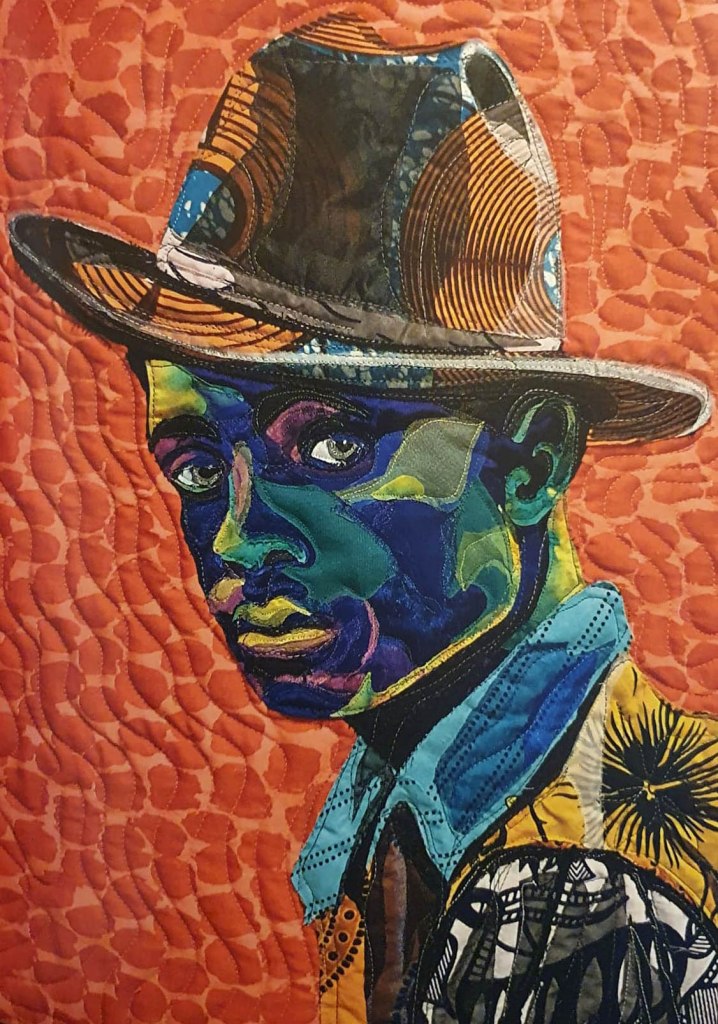
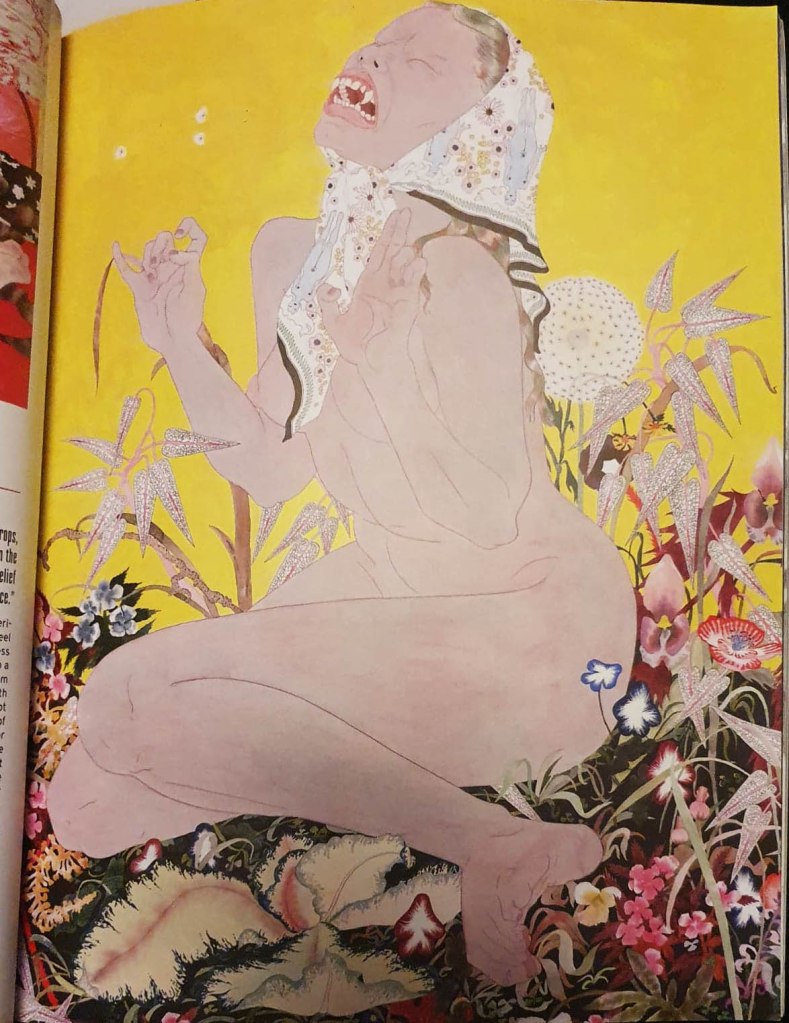
There are artists in this issue of Hi Fructose that really inspire me, artists such as Rikka Sormunnen and Bisa Butler who use their respective mediums to try and fight for change in the world and raise awareness to current issues that unfortunately are on the rise in 2020. Riikka Sormunen subverts the impossible beauty standards placed on women by men by using traditional poses that are often associated with beauty and turns them into something uncanny, something slightly disturbing. She has plans to start drawing women with stretch marks and cellulite in the future. Bisa Butler uses fabrics to create stunning, actual size portraits of unnamed African Americans in an attempt to give them the respect they never received in life. Her portraits are also made to confront people who do not believe that African Americans are equal, to challenge their misled preconceptions and force them to look them in the eye and question why their negative views.

There are a lot more artists featured in this issue of Hi-Fructose, there is even a small book contained within which is a nice extra bonus. Each page is beautifully laid out and has opened my eyes to a whole host of illustrators and artists that I didn’t know about before. I am definitely going to be buying more issues Hi-Fructose in the future. The magazine seems to be catered to young adult/adult audience, since quite a few of the artists draw mature things and the topics that are presented within the magazine are quite complex, as is the way the interviews and articles are written. I just don’t think a child would be able to understand much of what is going on within Hi-Fructose.

This magazine is going to help me a lot in my college work, it will provide me with a wider range of artists to research and explore which id dint have before. I also intend to use it as a part of my research for the essay which we have been asked to write before the 19th of March.

Technology Isn’t Always reliable. I Need to Make Timetables, But The LWL Project Has Been Handed In- A Review Of This Week

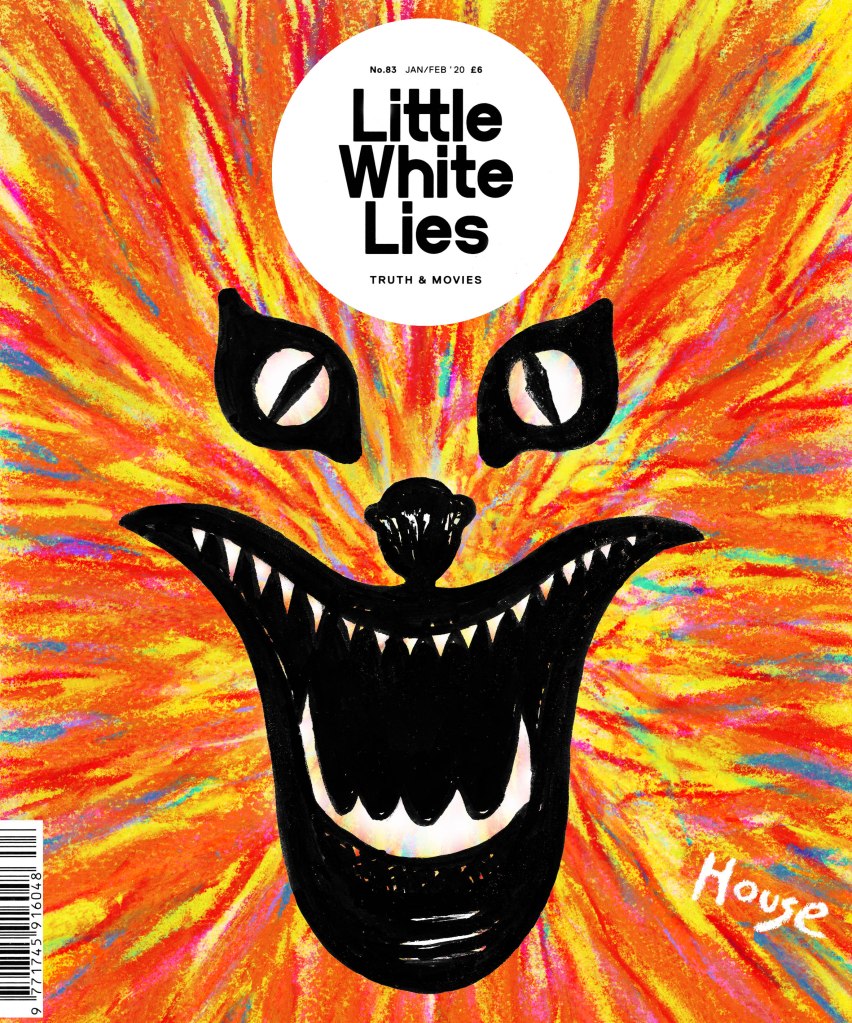
LWL Final Front Cover Design

It’s done, I’ve handed in now and there is no going back. I wish that I was better t managing my time because the past weekend and week have been draining. I left myself so much to do and didn’t even realise it until the last week of the project. My sketchbook was a bit behind; my layout was only half finished and my final front cover design hadn’t been put together. It was a mess. From the outside I look organised and my tutors seem to think that I am, but on the inside, I am screaming. Not literally but you get the point. I keep saying that I am going to make some sort of timetable or planner, anything to help me organise my time and I ironically never get the time to do it. Part of me thinks that I work best with the stress, and in some ways, I do, I do lots of work in a small amount of time and then rest. Some people do bits of work over a long period of time and I just can’t work like that. But, it would be handy to create myself a timetable that works for me, something that helps me plan which days I will work on the book illustrations, which days I will work on my blog and which days I will do coursework for college because right now I just feel stretched and a bit all over the place.

I have found out that as part of the final project, which is starting on a week or two, we will have to plan the whole project ourselves and will need to show it as a part of our process. This is similar to what I had to do during the final project of my level 3 course, and I managed to get distinction then. I know I have the capacity to be organised, it’s just difficult for me sometimes, especially since I largely plan things in my head and change my plans according to different circumstances. I guess this final project is going to be a test for me since it will force me to be more organised again and actually show it on paper.

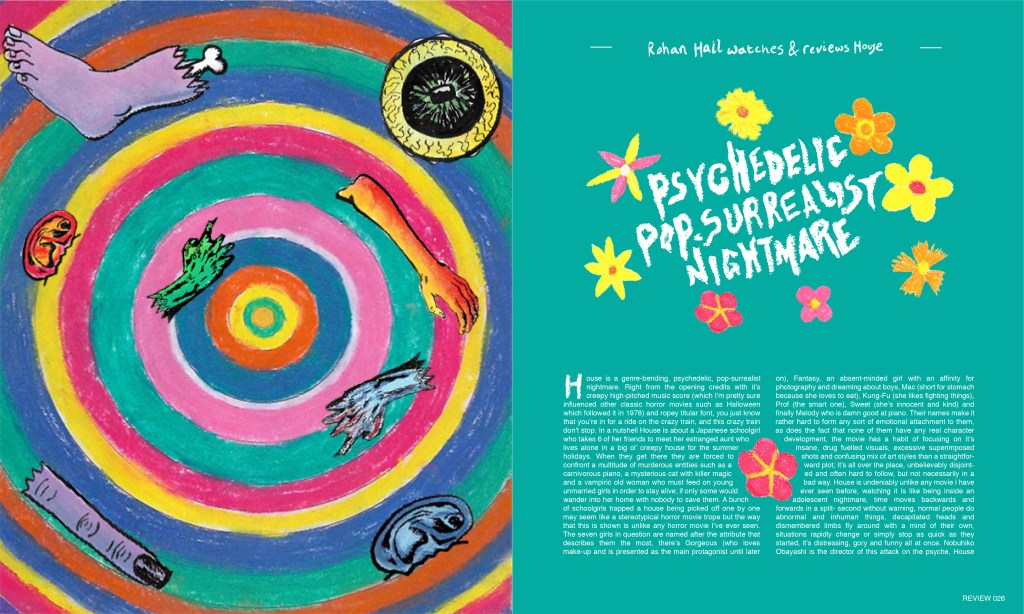
LWL Final Double Paged Spread

Anyway, all that aside, I ended up working like a machine over the past weekend and week, I tried out a bunch of different layout designs, redrew Blanche for my front cover, created a new trippy background with soft pastels and put everything together. I then found out that I hadn’t scanned my images to a high enough dpi which resulted in them being pixelated when I printed, so I had to rescan my spot illustrations again, and the front cover design again to try and stop the final designs from being pixelated. This all worked at first, until I got to the final day of the project and tried printing everything to hand in and I once again discovered that parts of my final design were pixelated which was an absolute nightmare because there wasn’t much I could do about it at that point. This time I knew it wasn’t something to do with how I scanned them because I got my tutors to check my scans and they were fine. Something went wrong with the software, whether I edited it too much, moved the file around too much or I don’t know what, something went wrong in the software and it has kind of ruined my final double paged spread on hand in day. Sometimes I forget how unreliable computers and digital art can be. I had to hand it in anyway and hope that it doesn’t cost me any marks because my tutors know that it wasn’t my fault. I’m going to have to redo the design when it comes to putting the work in my portfolio because I can’t show potential clients a pixelated piece of work. As stressful as it was sometimes, I have thorughly enjoyed this project and it has given me an interest in Editorial Illustration that i didnt have before, I am even conisdering it as a potential career path.

I have an essay due on the 19th of March and I decided to focus on the LWL project first as the due date was sooner. I am off next week while the project gets marked so I will use that time to do all of my research for the essay and get a first draft written ready to show my tutors on the Monday, I will be fine.

I Am Not Organised, When Will I Learn? Also An Autobiography

This has been an exceptionally busy week so far. I have primarily been focusing on designing and creating layouts for the double paged spread since I am so worried about how little time I have spent doing it so far Time is running out on this project and I need to manage my time better if I have any hope of completing everything on time.

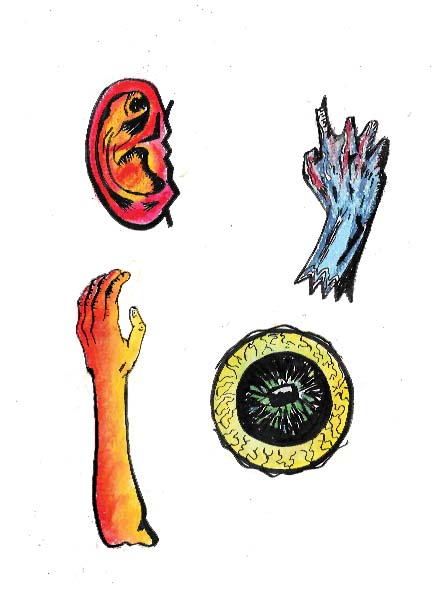
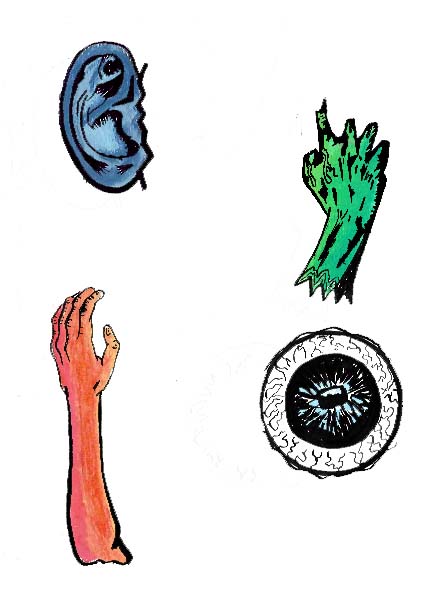
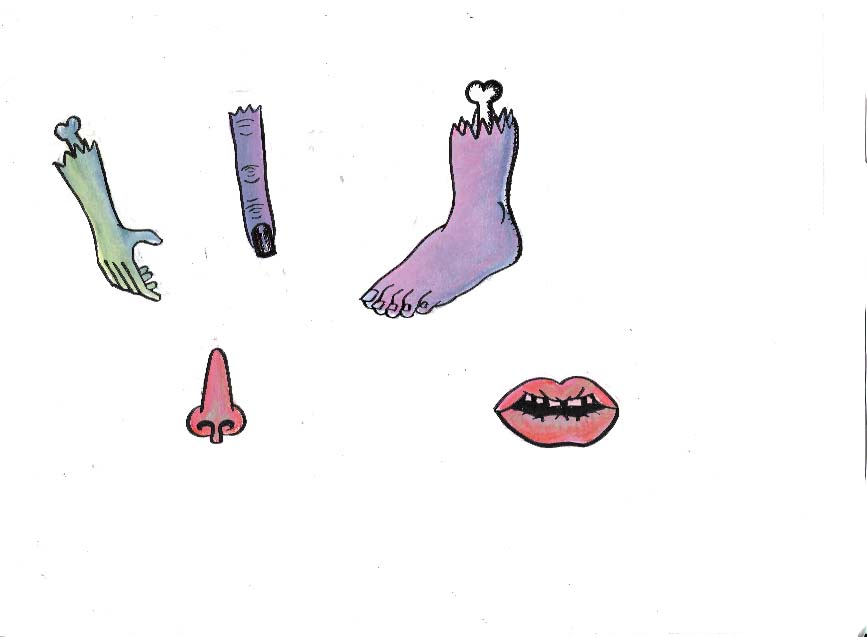
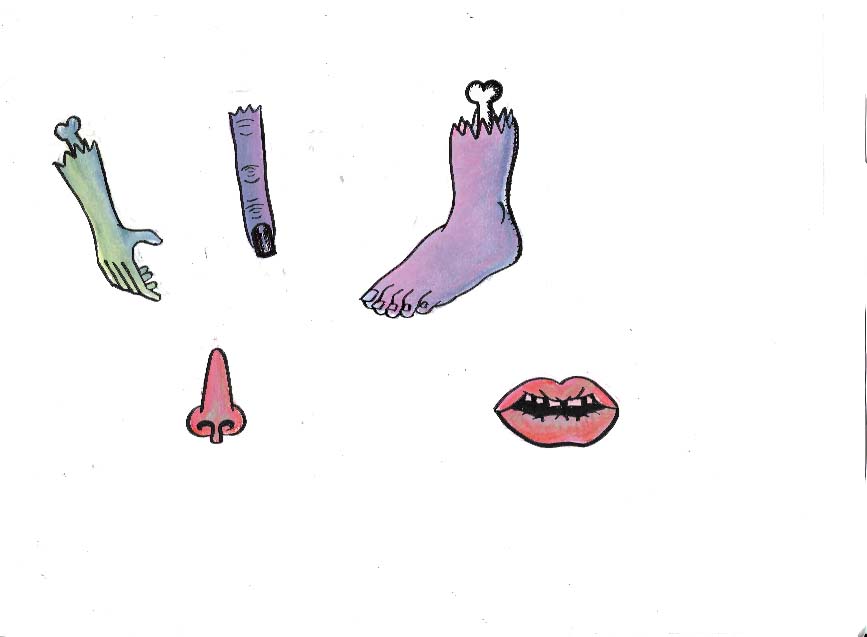
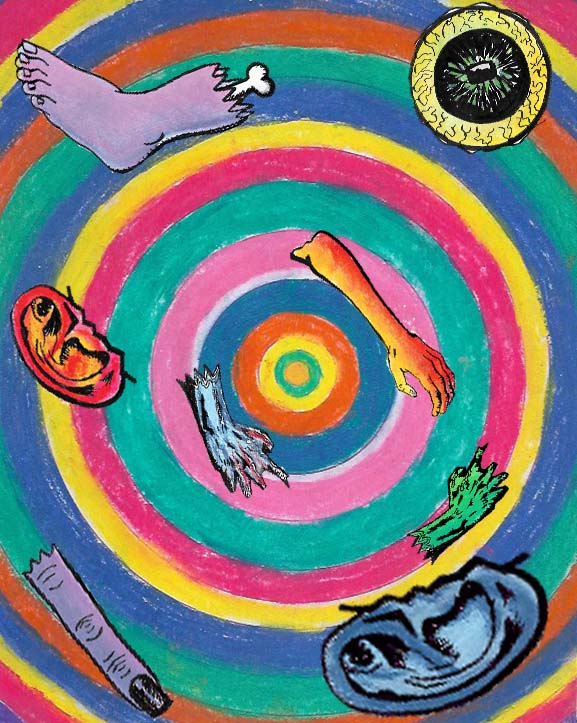
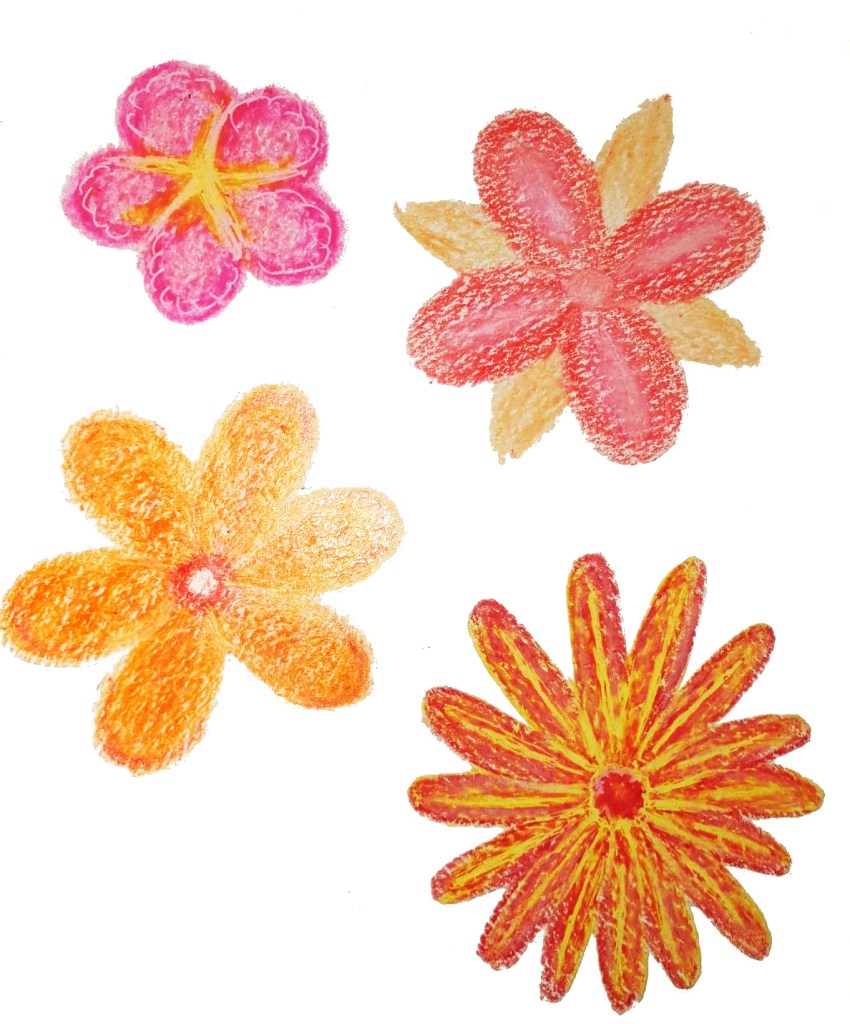
I have refined my spot illustrations a but by separating the colour layer from the linework layer. I did this by drawing out the shape of the body parts on a piece of layout payer using brush pen and colouring them in with soft pastels on a piece of cartridge paper with a light pad. This will allow me to stitch the linework and colour together in Photoshop and will make the linework and the whole spot illustrations bolder overall as the pastel won’t blur the lines. I have been struggling quite a bit with how much the pastels smudge, they are a relatively new material for me to use and doing the linework and colour separately seems to be the only way I can combat the problem.

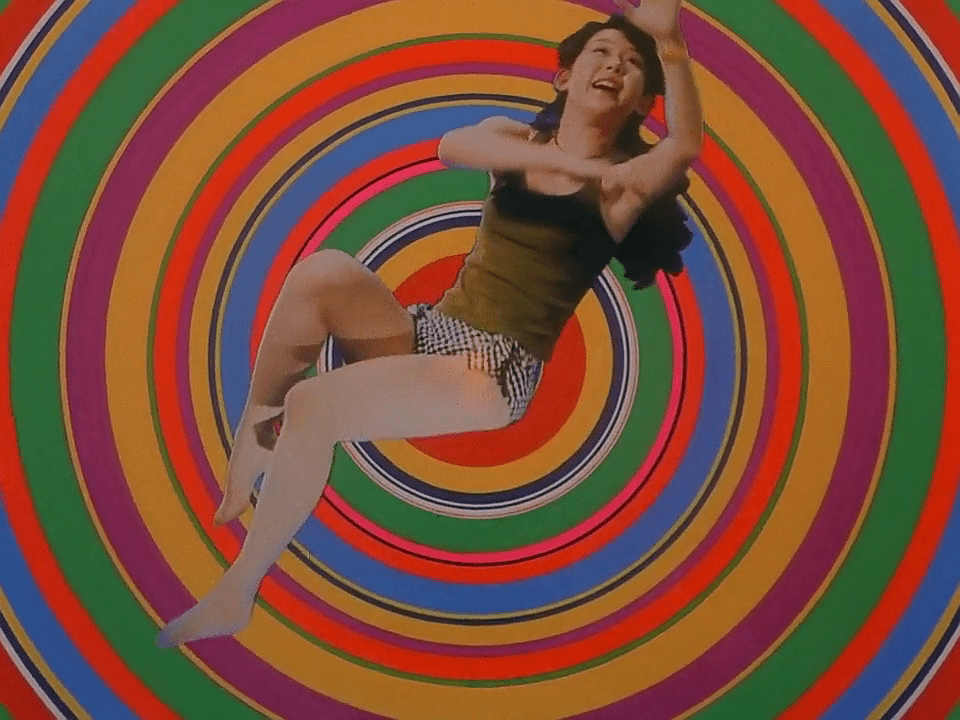
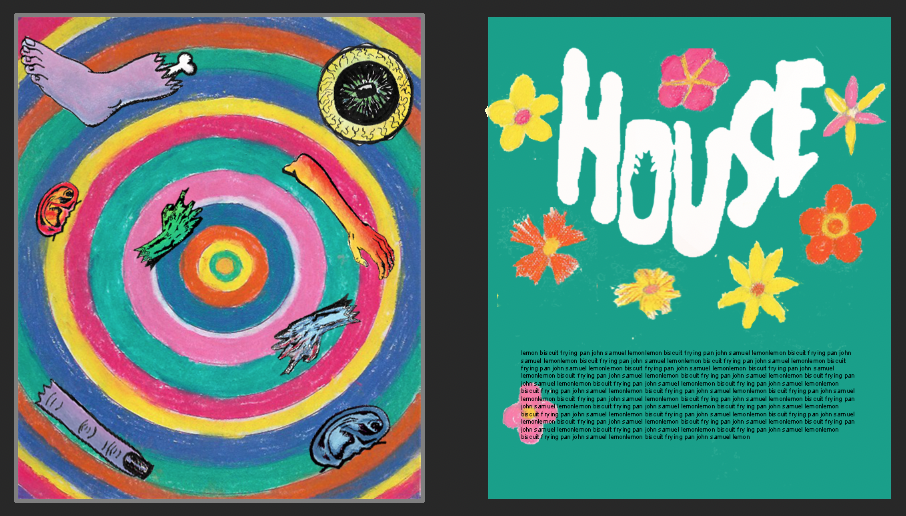
As far as the layout goes, I have decided that I want to have a full-page illustration on one page, with the text, headings, subheadings on the other page, with some other spot illustrations floating around the text. This is a similar layout to one used by Little White Lies in their Hidden Lives magazine issue and it inspired me quite a lot. For the full-page illustration, I was inspired by a particularly psychedelic scene in House where Kung-Fu is sucked through a lampshade and transported to some sort of weird, colourful dimension made up of colourful concentric circles. I decided to recreate this scene in my own way, having body parts swirling around in the vortex, rather than Kung-Fu because I feel as if using an entire person for a spot illustration would really blur the lines of what a spot illustration is supposed to be and wouldn’t really fit with how Little White Lies lays out their magazines.

Screenshot of Little White Lies draft layout

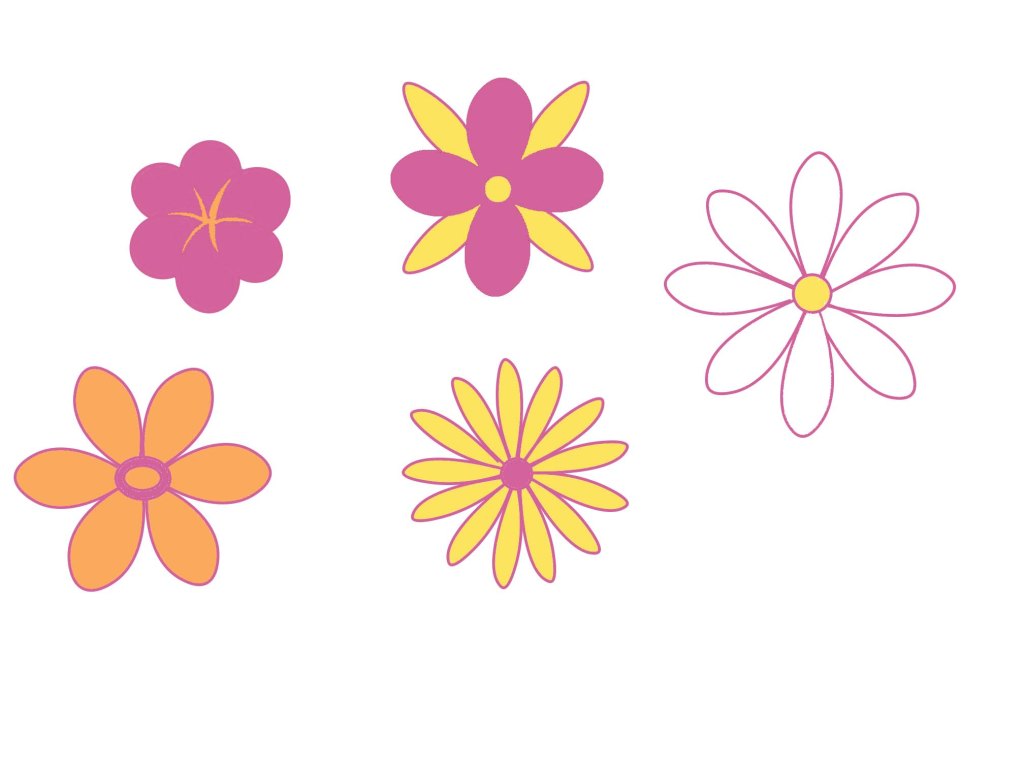
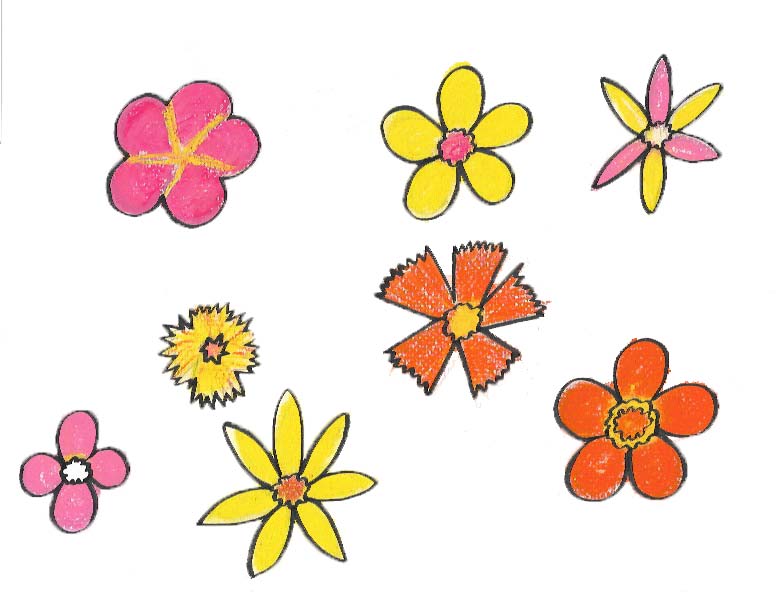
I have tried to be consistent with the materials I use for my spot illustrations, having used pastels for the colourful concentric circles design, the body parts and also the flowers because pastels seem to fit the messiness of House more than other materials and I want the texture of the spot illustrations to be the same since I am creating the design on the basis that it’s for a professional publication and it needs to be consistent for that. For the text page I used the eyedropper tool to sample colours from the full-page illustration and tried filling the text page with them to keep the colours consistent too. I settled on using the green colour as the background because it is lurid and creepy, while still looking nice and colourful which really fits with the overall tone of House. I used the actual text used on the House movie poster as placement text for the heading and filled it white because it seems to work best with the green and makes it look weirdly innocent, plus, Blanche the cat is white so it’s a nice nod to her. This isn’t going to be my final layout, but it does give me a good idea of what it is going to look like once I am done. I removed the outline on the flowers to contrast the boldness of the body parts illustrations on the previous page. I am quite happy with how much work I have done this week but there is still a long way to go. I need to refine my layout design and also do the same with the front cover. I am going to try separating the Blanche brush pen design from the trippy pastel background, similar to what I have done for these spot illustrations because I really want Blanche to stand out the most on the front over. I have quite a bit to do next week but I’m getting there. One day I will be good at managing my time instead of rushing around so much towards the end

LWL dev

I’d like to start this post by saying that I am so happy I have chosen House as the film I’m creating art for, and that we’re exploring editorial illustration. It is giving me the opportunity to explore materials and art styles that I have never done before, or even though I would ever do. The fact the visuals are so naïve and childlike has led me down the road of trying childlike materials such as crayons, and their adult cousin, soft pastels, which I’ve surprisingly really enjoyed doing. I feel as if this project is making me grow so much as an illustrator, more than the previous ones because I am so far out of my comfort zone, and thoroughly enjoying being so, that I’m considering keeping these materials in my illustrative arsenal and looking more into Editorial illustration as a potential path for me to go down, whether it’s side projects to add to my income or as a full time career. I need to research the field a lot more before I make any sort of concrete decision but I didn’t really think about it before this project and I feel as if my eyes have been opened up to the world of editorial illustration and it’s definitely got my interest.

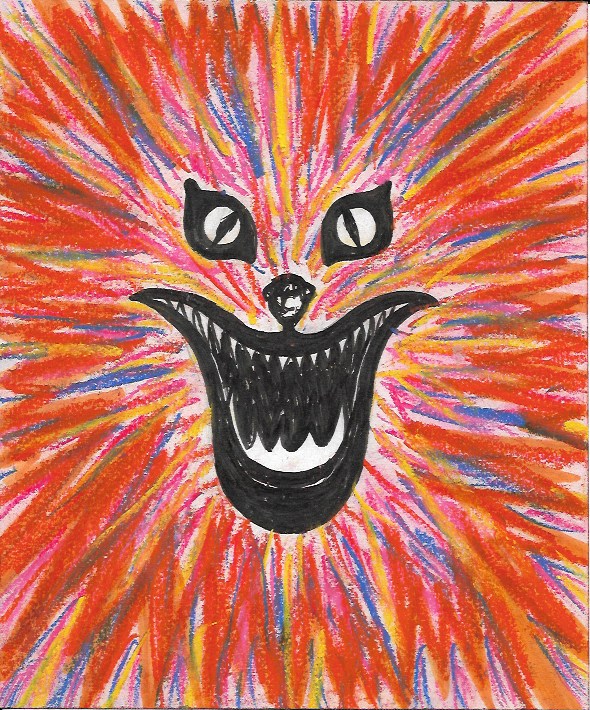
Over the weekend I started what I hope are my final spot illustrations, having chosen soft pastels as the material I am going to use for them because of their boldness, messiness and ability to create interesting textures that I simply could not achieve with watercolour paint or digital painting. I also used a Japanese brush pen to draw linework around them to make them stand out more, I feel as if this is the best way for me to create them because I have used pens in my art pretty much consistently throughout my life and they also help me to contain the soft pastels a little bit and make the designs even bolder in the process. I still have a long way to go with using soft pastels, I need a lot more practice with them before the illustrations can be considered ready to be presented on my final design because I don’t have much experience with them prior to this week and they are difficult for me to get used to.

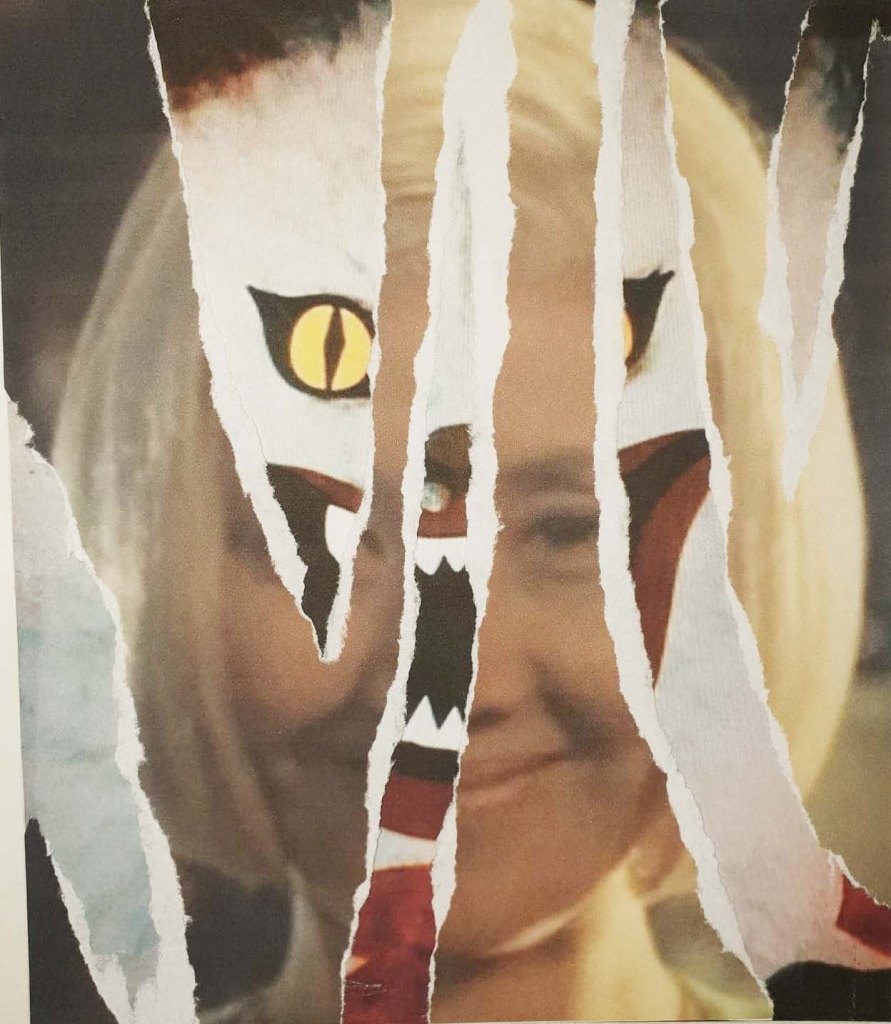
Decollage Attempt

As well as creating some spot illustrations at the start of the week, I have taken a bit of a U-turn as far as my front cover design for the LWL project goes, I was initially heading down the path of developing my cracked mirror design, and even went as far as creating a few media tests with decollage while I tried to figure out how to achieve the effect I wanted, but it just wasn’t working out. I realised that design was something I would feel comfortable doing and not necessarily something that would fit with the overall tone of House. Instead, I have chosen to develop my design that focuses on Blanche as the main character because I feel that she is the most recognisable film and focusing on only one character for the film fits with the layout that LWL magazines use on their front covers. I am worried that changing my mind about the front cover this late in the project could jeopardise the rest of my work because I am going to have to change the aesthetic a bit from what I was originally going for. I am hoping that this isn’t going to be much of a problem because my development piece has been done in soft pastel and brush pen, alike the spot illustrations I over the last weekend so at least there is some consistency with them. I haven’t really thought about how my spot illustrations are going to be presented on the page at this point, I’ve been focusing a lot on creating the art, rather than the layout which I realise isn’t a good thing because the layout of a magazine is just as important as the art inside it. Next week I really need to spend a lot of time creating potential layout sheets and thinking about where things should be placed on the page.

Front Cover Development- Soft Pastel and Brush Pen

What Did I Just Watch? And Other Thoughts I Had This Week

King of The Cats sneak peak

Well, I didn’t manage to watch all of the movies over the weekend because I was busy finishing off the King of The Cats illustration for my aunts’ book, which I’m trying to do alongside my university work; I’m not going to lie, it’s going to be difficult but I just need to get better at managing my time.  I watched Blade Runner and House though, I’ll post my reviews of the movies separately because there is just so much to say about them, especially House which is basically a drug fuelled nightmare in all of the right ways. After watching these two I have decided that House is the movie that I am going to focus on creating art for this project, it’s been a while since I did any horror based art and I think House will really challenge me it is far from a normal horror movie, the style, tone and atmosphere of the film are unlike anything I have ever came across before. I think choosing House for this project will really push me as an illustrator and take me far out of my comfort zone which will be a good thing to show in my portfolio.

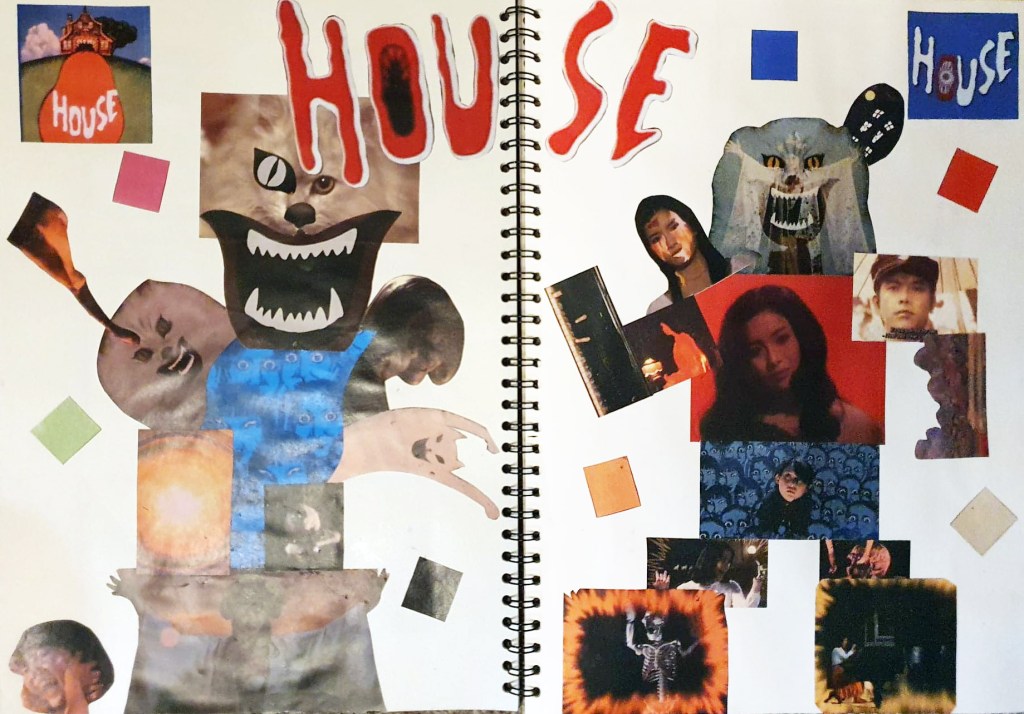
Double paged spread House moodboard

On Monday we were asked to create a mood board for one of the films that we will be able to refer back to for ideas during the course of the project, I actually ended up creating two because I just couldn’t fit all of my ideas for House on one page. On the mood board I have included images of the main protagonists, antagonists and supporting characters, as well as images of some of the many bizarre scene changes and special effects that are plastered throughout the film. I watched the movie on my laptop, so I was able to get reasonably high quality screenshots of key scenes in the film which I cut and stuck into my sketchbook.  I also used the eyedropper tool in Photoshop to take samples of the main colours that House uses so that I have an idea of what colours to use in my development and my final illustrations. The whole point of the Little White Lies front covers is to capture the themes, atmosphere and visual tone of the specially selected movie, this can be done with the use of linework, colour and composition of the illustration, the colours used should reflect the movie in order for it to be successful which is why I sampled the colours directly from the movie.

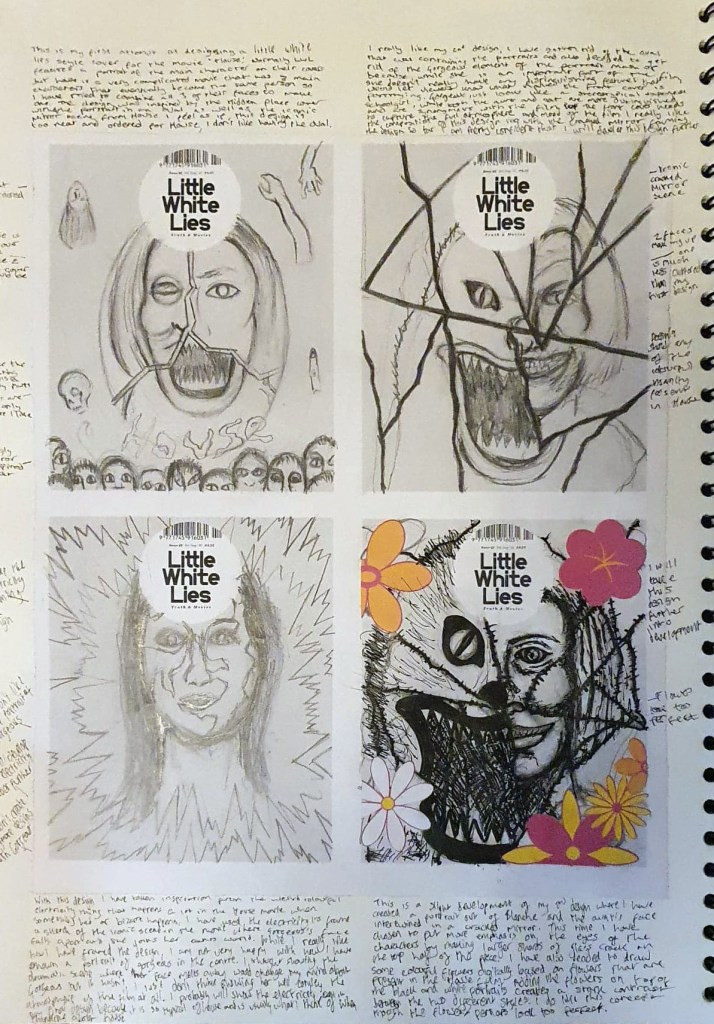
LWL House thumbnail sketches

As well as creating a mood board, one of my tutors kindly created a worksheet that contains four blank Little White Lies front covers, we were asked to sketch 8 different front cover variants as part of our initial ideas and development. So far, I have sketched out four out of 8 designs, taking inspiration from the House movie, as well as some illustrators that have previously created covers for LWL to do so. I have found it really difficult so far because no matter how hard I try, I just can’t get any of my people portraits to look right, I also can’t decide who the main character in House is, and I’m supposed to be creating a portrait of them. The plot of House is so confusing that I think 3 characters present in the film are all the same person by the end and one of them isn’t even human. I have tried to combine fragments of all 3 of their faces to create one unified portrait which hasn’t went very well either, trying to show all three characters was too much, it compromises the appearance of all of them. I also tried doing something similar using two of the main characters faces instead, which worked a lot better because half of the portrait is a cat which is something that I am much better at drawing. I used the iconic mirror scene from House to frame the design which really works to me compositionally, so far, my second design is the strongest and the one I want to develop further. Speaking of cats, I’m going to create a wholly separate post at some t point talking about my King of The Cats illustration because I am unbelievably happy that my art is going to be published and I want to talk about it.