What is New Scientist Magazine and Why Should You Read It?

New Scientist magazine is one of the world’s most popular weekly science and technology magazines. Their magazine is featured online, through print and also on app editions which means that the illustrations and layout present in the mag need to be formattable across these areas. The magazine covers stories about science and technology that intrigue, inform and entertain the widest possible audience, which consists of people from a wide variety of lifestyle, from physicists, biologists to people that have no background in science at all. They have an unrivalled global reach largely in part to the fact they have been around since 1956 and have offices working for them around the world.
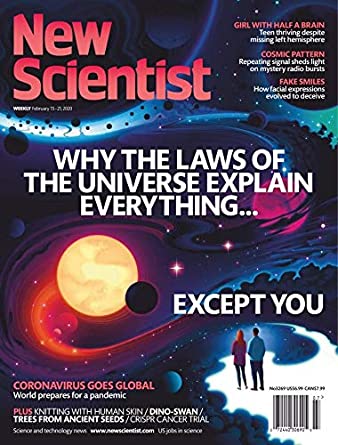
New Scientist does it’s best to stand out from the crowd, from writing exclusive scientific stories from an angle that can’t be found anywhere else, to hiring independent illustrators to design their covers and colourful illustrations that are carefully placed throughout each issue of the magazine. New Scientist really is one of a kind. They do something that a lot of science magazines don’t, they explore the social and cultural impacts of both scientific and technological discovery, as well as any consequences they could pose on society, rather than just documenting them. As well as exploring the social and cultural impacts of discoveries, they also write regular features and commentary on environmental issues, something that I am highly passionate about. This is one of the main reasons that I would like to create illustrations for New Scientist one day, they have ethics and aren’t afraid to show it, which is something that I really admire them for.
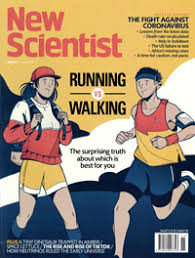
New Scientist uses often colourful and vibrant illustrations to help explain complex scientific theories and ideas in a more understandable and sometimes conceptual way. This is really important because a lot of their audience don’t have a huge scientific knowledge, but still want to keep up to date with the latest scientific and technological progress, the illustrations within the mag help non-scientists engage with the articles and keeps them coming back for more. They also need to be accurate enough to engage with the audience that are scientists, this must be a difficult line to walk but New Scientist manages to do it regardless. The art editor at New Scientist is Craig Mackie and he says that of 36 illustrated covers that he commissioned in 2015, 17 of them were done by new illustrators. He likes to keep the magazine fresh with new talent and while he does have a list of go to illustrators that he knows he can rely on; he likes bringing in new people that are going to bring something different to the magazine. Working like this is beneficial for both Mackie and the illustrators that he brings on, they get more exposure and the magazine gets to keep being ahead of the curve and stand out from the crowd.New Scientist. 2020.

About New Scientist Magazine | New Scientist. [online] Available at: <https://www.newscientist.com/about/&gt; [Accessed 26 March 2020].

Carless, J., 2020. What Art Directors Want: Tips For Editorial Illustrators | Create. [online] Create.adobe.com. Available at: <https://create.adobe.com/2016/4/20/what_art_directors_want_a_guide_for_editorial_illustrators.html&gt; [Accessed 26 March 2020].

New Scientist. 2020. Guide For Freelancers | New Scientist. [online] Available at: <https://www.newscientist.com/in209-guide-for-freelancers/&gt; [Accessed 29 March 2020].

https://www.newscientist.com/in16-about-new-scientist-magazine/

Newscientist.com. 2020. Magazine Archive 2020 | New Scientist. [online] Available at: <https://www.newscientist.com/issues/&gt; [Accessed 29 March 2020].

Technology Isn’t Always reliable. I Need to Make Timetables, But The LWL Project Has Been Handed In- A Review Of This Week

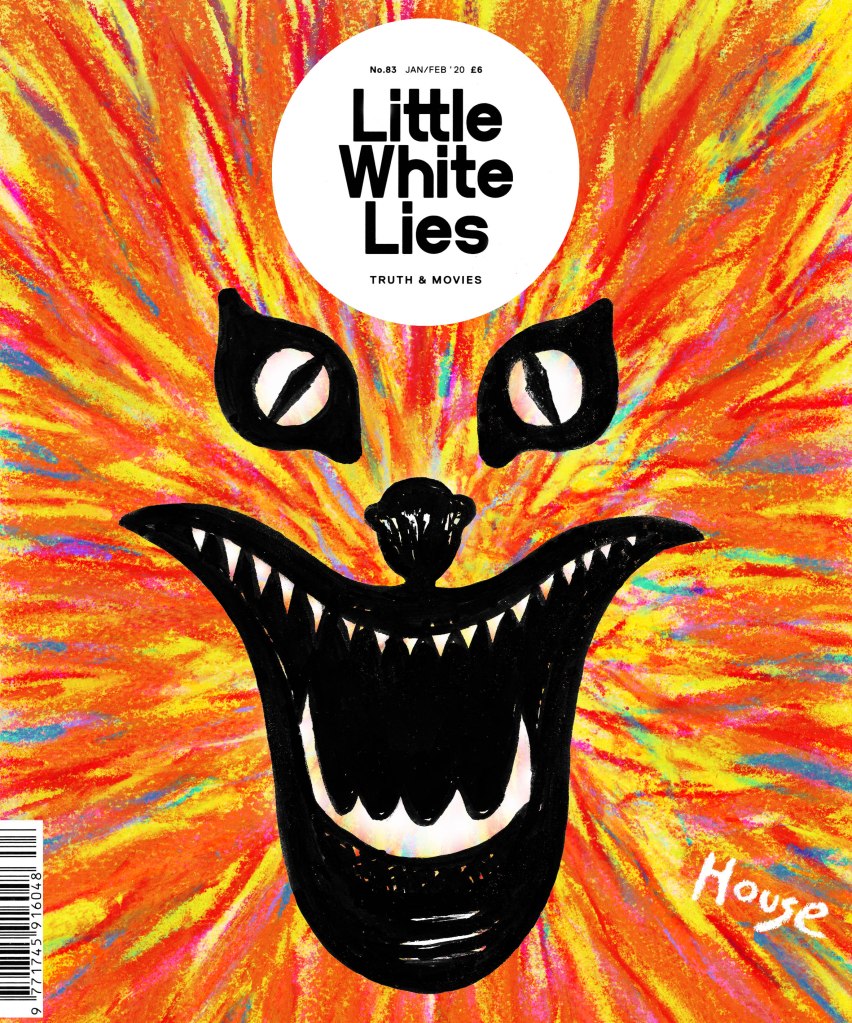
LWL Final Front Cover Design

It’s done, I’ve handed in now and there is no going back. I wish that I was better t managing my time because the past weekend and week have been draining. I left myself so much to do and didn’t even realise it until the last week of the project. My sketchbook was a bit behind; my layout was only half finished and my final front cover design hadn’t been put together. It was a mess. From the outside I look organised and my tutors seem to think that I am, but on the inside, I am screaming. Not literally but you get the point. I keep saying that I am going to make some sort of timetable or planner, anything to help me organise my time and I ironically never get the time to do it. Part of me thinks that I work best with the stress, and in some ways, I do, I do lots of work in a small amount of time and then rest. Some people do bits of work over a long period of time and I just can’t work like that. But, it would be handy to create myself a timetable that works for me, something that helps me plan which days I will work on the book illustrations, which days I will work on my blog and which days I will do coursework for college because right now I just feel stretched and a bit all over the place.

I have found out that as part of the final project, which is starting on a week or two, we will have to plan the whole project ourselves and will need to show it as a part of our process. This is similar to what I had to do during the final project of my level 3 course, and I managed to get distinction then. I know I have the capacity to be organised, it’s just difficult for me sometimes, especially since I largely plan things in my head and change my plans according to different circumstances. I guess this final project is going to be a test for me since it will force me to be more organised again and actually show it on paper.

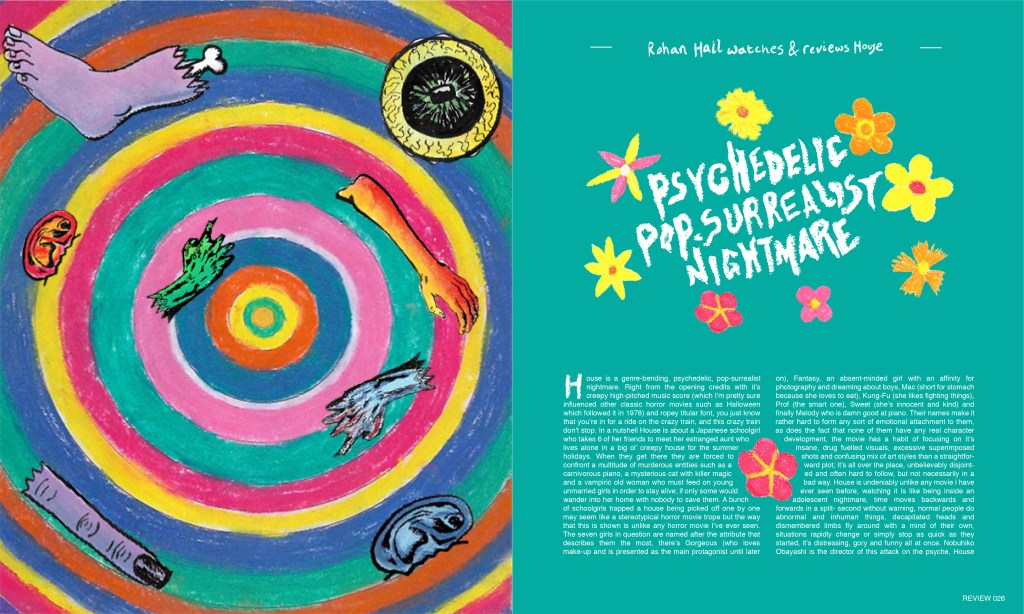
LWL Final Double Paged Spread

Anyway, all that aside, I ended up working like a machine over the past weekend and week, I tried out a bunch of different layout designs, redrew Blanche for my front cover, created a new trippy background with soft pastels and put everything together. I then found out that I hadn’t scanned my images to a high enough dpi which resulted in them being pixelated when I printed, so I had to rescan my spot illustrations again, and the front cover design again to try and stop the final designs from being pixelated. This all worked at first, until I got to the final day of the project and tried printing everything to hand in and I once again discovered that parts of my final design were pixelated which was an absolute nightmare because there wasn’t much I could do about it at that point. This time I knew it wasn’t something to do with how I scanned them because I got my tutors to check my scans and they were fine. Something went wrong with the software, whether I edited it too much, moved the file around too much or I don’t know what, something went wrong in the software and it has kind of ruined my final double paged spread on hand in day. Sometimes I forget how unreliable computers and digital art can be. I had to hand it in anyway and hope that it doesn’t cost me any marks because my tutors know that it wasn’t my fault. I’m going to have to redo the design when it comes to putting the work in my portfolio because I can’t show potential clients a pixelated piece of work. As stressful as it was sometimes, I have thorughly enjoyed this project and it has given me an interest in Editorial Illustration that i didnt have before, I am even conisdering it as a potential career path.

I have an essay due on the 19th of March and I decided to focus on the LWL project first as the due date was sooner. I am off next week while the project gets marked so I will use that time to do all of my research for the essay and get a first draft written ready to show my tutors on the Monday, I will be fine.